⚠️ Affiliate Disclosure: This post contains Amazon affiliate links. If you purchase through our links, we may earn a small commission at no extra cost to you. Every product below was checked against its live Amazon listing before publishing. Prices change often, so we don’t list them here. Tap any Buy Here button to see the current price on Amazon.
Ultimate Buying Guide
🖨️ Best 3D Printers for Electronics Enclosures
13 printers for custom project boxes, sensor housings, PCB mounts and DIN-rail clips, from enclosed CoreXY machines for PETG and ASA to budget and resin picks.
✅ 13 Printers Reviewed
✅ Enclosed & Open Frame
✅ PETG, ASA & ABS Ready
✅ Honest Pros & Cons
An off-the-shelf project box rarely has the right cutouts for your USB port, OLED window, antenna and mounting bosses. A 3D printer fixes that: you design the case around the board, print it overnight, and get snap-fit lids, standoffs for M2.5 screws and vents exactly where the regulator gets hot. For ESP32 sensor nodes, Raspberry Pi controllers and Arduino gadgets, a printed housing is often the difference between a breadboard demo and a device you can actually mount on a wall.
This guide compares 13 printers on Amazon with a focus on what matters for electronics work: enclosed chambers for heat-resistant PETG, ASA and ABS, dimensional accuracy for snap fits, and easy setup. If you’d rather buy a ready-made box, see our electronics project enclosures guide, and pair your printer with a good soldering station for heat-set brass inserts.
💡 Reality check before you buy: PLA is easy to print but softens around 55 to 60°C, so a PLA case on a sunny windowsill or around a hot power supply can warp. For anything warm or outdoors, use PETG or ASA, and ASA and ABS really want an enclosed printer to avoid cracking. Printed plastic is not a fire enclosure: never house mains wiring, relay boards switching AC or lithium chargers in an ordinary printed box unless you use a flame-retardant filament and proper strain relief, and keep low-voltage and mains sections separated. Printing ABS and ASA releases fumes, so run the printer in a ventilated room even if it has a filter. Review counts below come from the listing pages; a few listings share ratings across related variants.
Table of Contents
- Quick Comparison: All 13 3D Printers
- How to Choose a 3D Printer for Electronics Enclosures
- Detailed Reviews: All 13 Picks
- Which One for Which Job
- Filament Guide for Electronics Enclosures
- Frequently Asked Questions
- Final Verdict: Best 3D Printers for Electronics Enclosures
🖨️ Quick Comparison: All 13 3D Printers
| Printer | Type | Enclosure (per listing) | Best For | Buy |
|---|
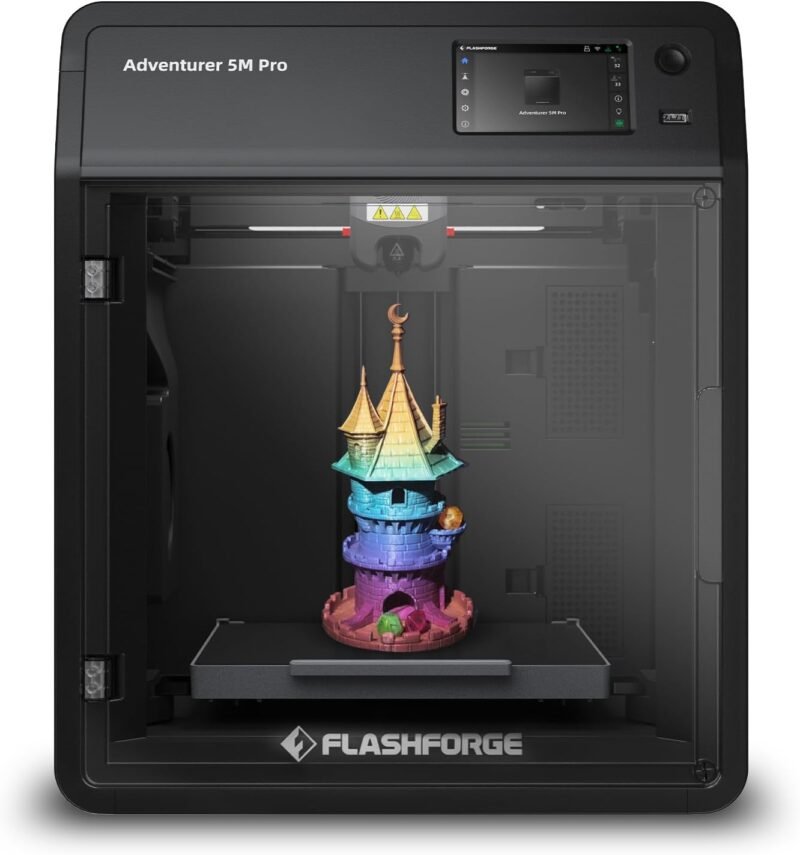
| 🏆 FLASHFORGE Adventurer 5M Pro | CoreXY FDM | Fully enclosed + dual filtration | ABS/ASA project boxes | Buy Here → |
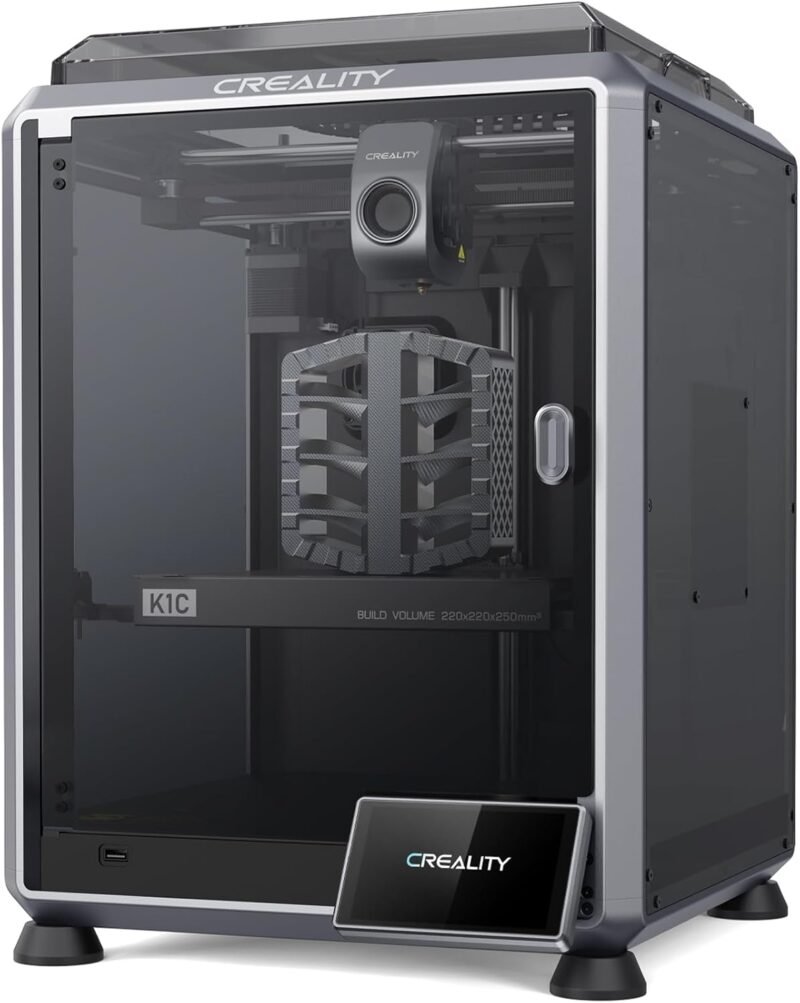
| Creality K1C | CoreXY FDM | Enclosed chamber | Carbon fiber filled parts | Buy Here → |
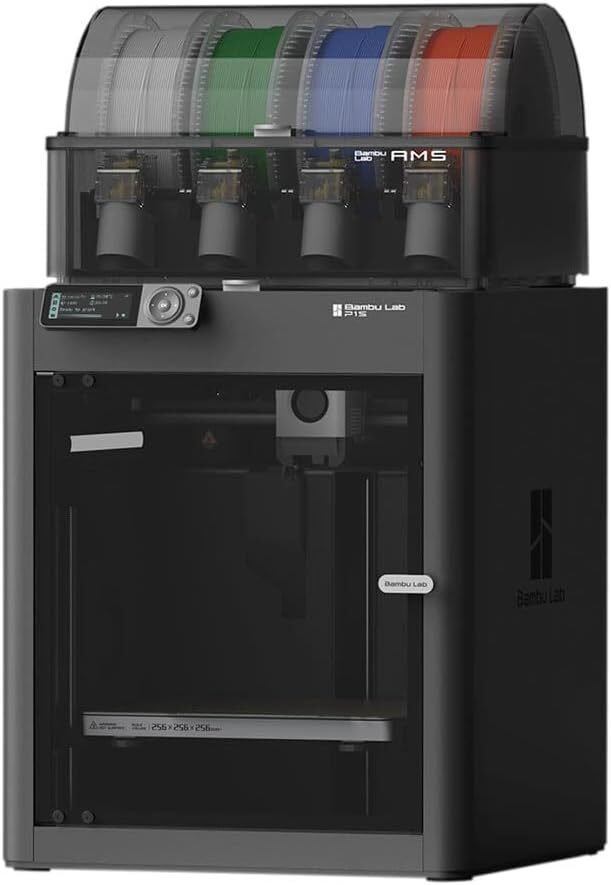
| Bambu Lab P1S + AMS Combo | CoreXY FDM | Fully enclosed | Multi-color labelled cases | Buy Here → |
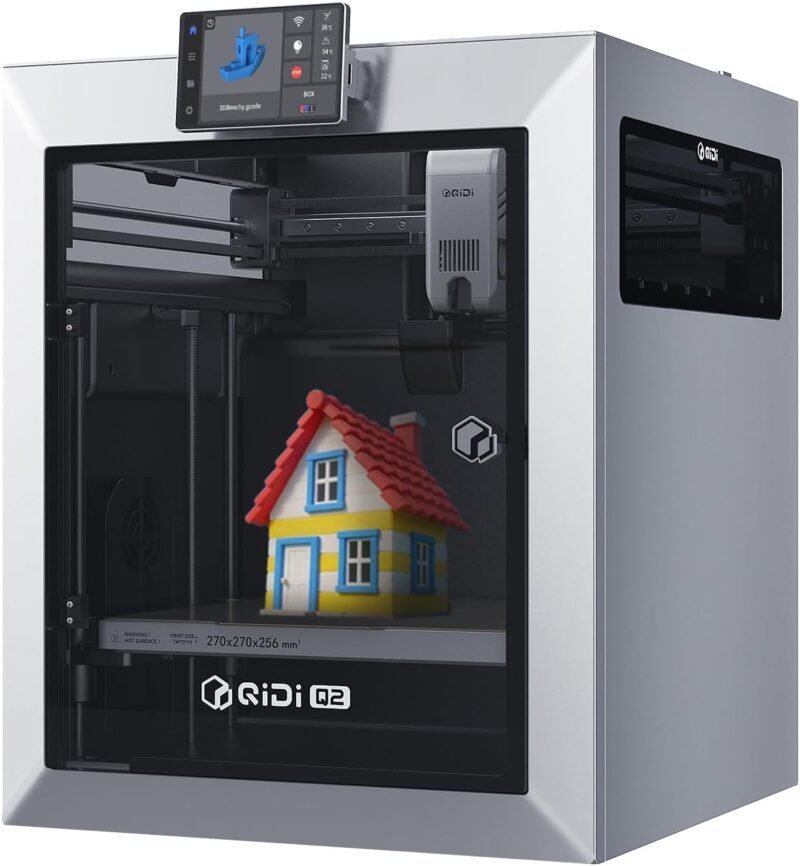
| QIDI Q2 | CoreXY FDM | 65°C heated chamber | ASA, nylon and PPS-CF | Buy Here → |
| QIDI PLUS4 | FDM, large | Active chamber heating | Big panels and racks | Buy Here → |
| Creality K2 Plus Combo | FDM, 350mm | Chamber up to 60°C | Large multi-color builds | Buy Here → |
| Sovol SV08 | CoreXY, Voron-based | Open frame (no enclosure listed) | Tinkerers and PLA/PETG | Buy Here → |
| FLASHFORGE Adventurer 5M | CoreXY FDM | Open (optional enclosure) | PETG cases on a budget | Buy Here → |
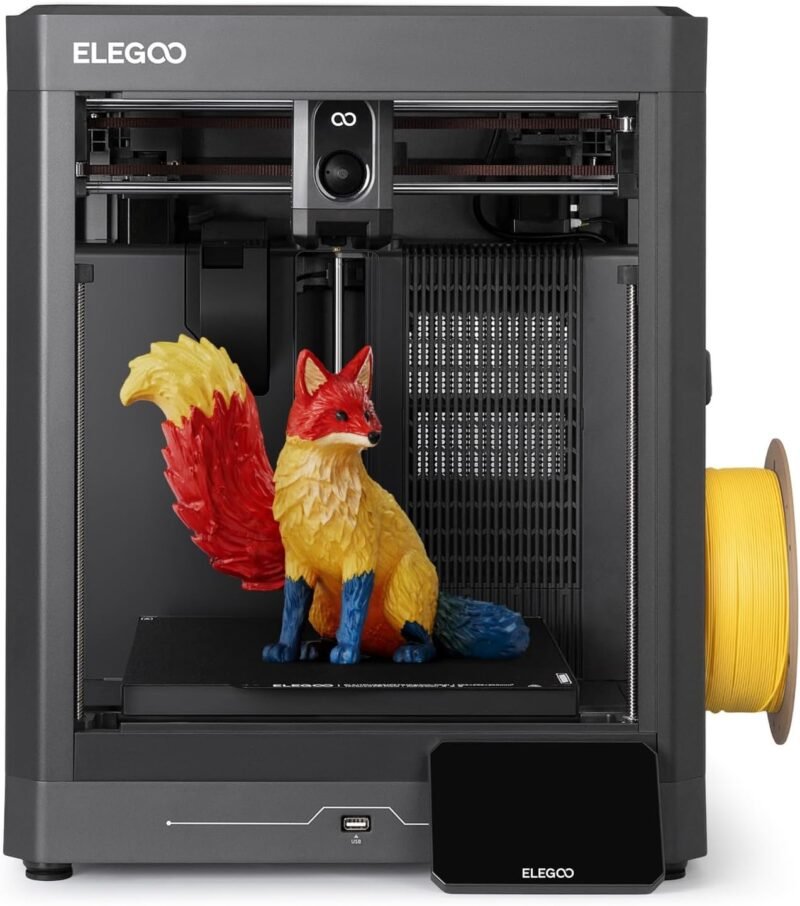
| ELEGOO Centauri 2 | CoreXY FDM | Check listing images | Easy everyday printing | Buy Here → |
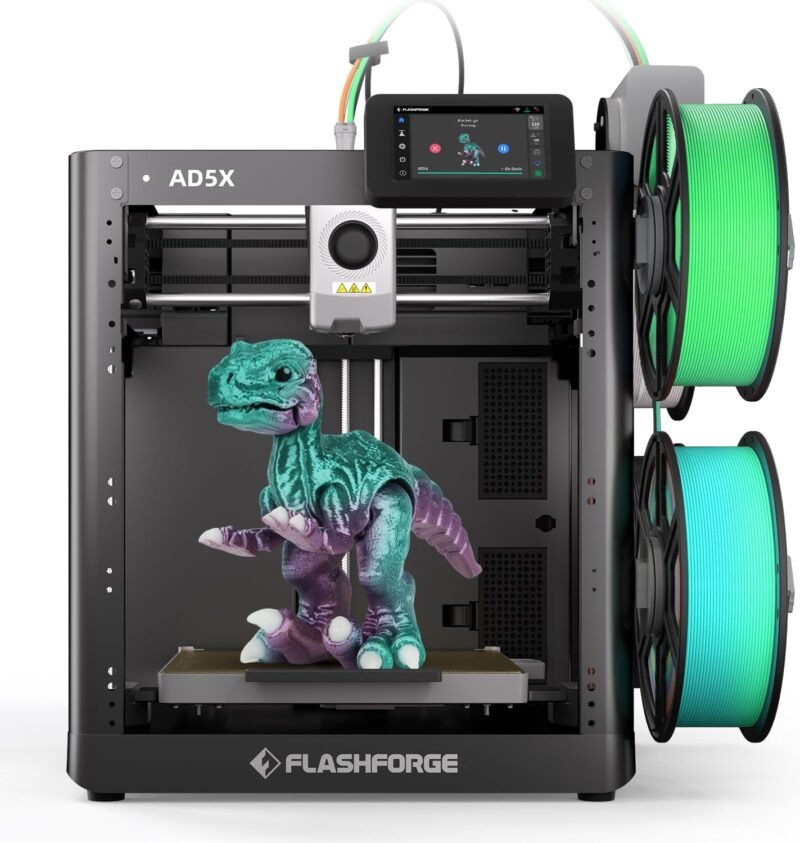
| FLASHFORGE AD5X | CoreXY, 4-color | Open frame | Color-coded parts | Buy Here → |
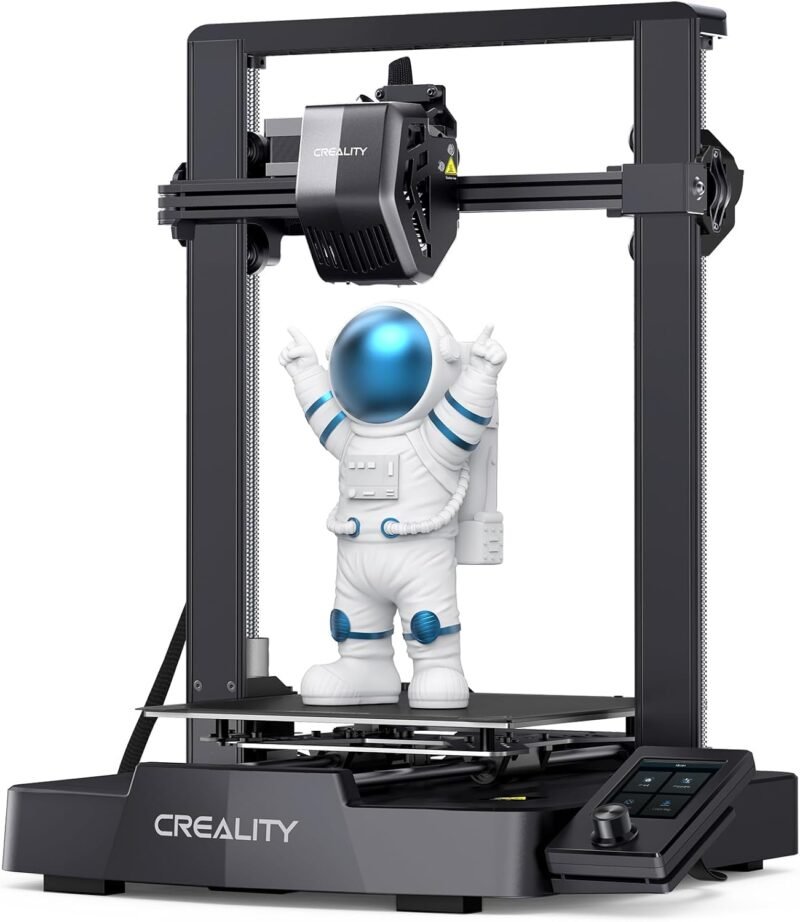
| Creality Ender 3 V3 SE | Bed slinger FDM | Open frame | First printer on a budget | Buy Here → |
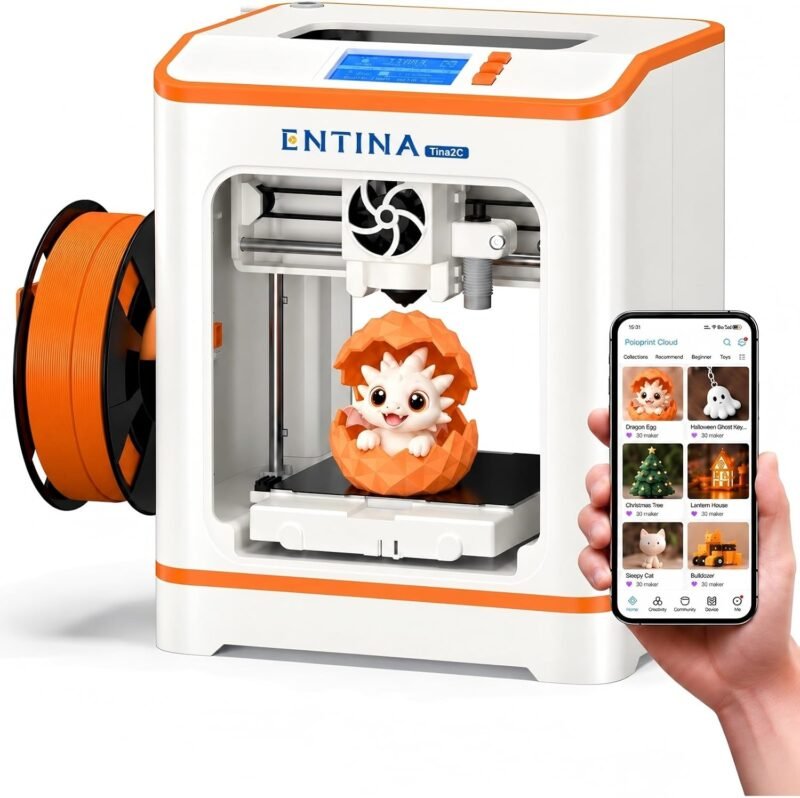
| Entina Tina2C | Mini FDM | Open, fully assembled | Small sensor housings | Buy Here → |
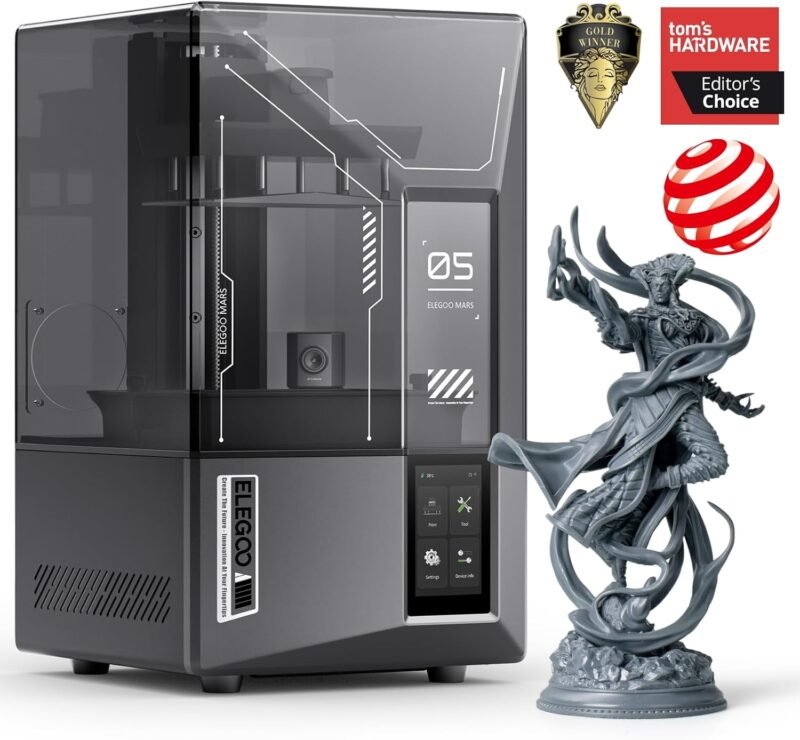
| ELEGOO Mars 5 Ultra | MSLA resin | Not applicable (resin) | Tiny, detailed parts | Buy Here → |
Specs, ratings and review counts are taken from the Amazon listings at the time of writing. Always confirm details on the listing before you buy.
🔍 How to Choose a 3D Printer for Electronics Enclosures
🧱
Enclosed vs open frame
PLA and PETG print fine on open machines. ABS and ASA, the best materials for warm or outdoor cases, need an enclosure, and a heated chamber (QIDI) helps big parts most.
🌡️
Nozzle and bed temperature
280°C covers PETG, ABS and ASA. 300°C and above plus a hardened nozzle opens carbon fiber and nylon blends for stiff mounts and brackets.
📏
Build volume
A 220 mm bed handles nearly every Arduino, ESP32 and Pi case. Go 300 mm or more only for display housings, panels or racks.
🎯
Accuracy for snap fits
CoreXY frames with input shaping hold tolerances better at speed. Expect to tune clearances (often 0.2 to 0.3 mm) for lids and press-fit inserts.
🎨
Multi-color
AMS, CFS and IFS systems print legends and logos into lids. Handy, but they add cost and purge waste, so skip them if you only need plain boxes.
🏆 Detailed Reviews: All 13 Picks
🥇 BEST OVERALL
1. FLASHFORGE Adventurer 5M Pro
⭐ 4.0/5 · Best Overall for Enclosures
Buy on Amazon →

The Adventurer 5M Pro is the most sensible all-rounder for electronics housings. Per the listing it combines an all-metal CoreXY frame with up to 600 mm/s speed, a fully enclosed chamber with a dual filtration system, a 280°C extruder and a 110°C heated bed, and it names ABS, ASA and PETG among supported engineering materials. That is exactly the filament range you want for cases that sit near warm regulators or outdoors. The tool-free quick-swap nozzle (0.25, 0.4, 0.6 and 0.8 mm options), auto leveling and a built-in camera with app monitoring keep it beginner friendly. It averages 4.0 stars from 1,108 ratings.
✅ Pros- Enclosed with filtration
- ABS, ASA and PETG listed
- Quick-swap nozzles
❌ Cons- Not a heated chamber
- Single material only
🎯 Verdict: The easiest way to print tough, accurate project boxes at home.
👉 Check Price on Amazon →
🥈 RUNNER-UP

The K1C takes Creality’s fast CoreXY K1 platform and adds the parts you need for abrasive filaments. The listing calls out an enclosed chamber, a 300°C hotend, a clog-free direct extruder and a tri-metal nozzle with a hardened steel tip, rated for carbon fiber reinforced filaments. CF-filled PETG or nylon makes stiff brackets, sensor mounts and DIN-rail clips that don’t creep under screw pressure. Hands-free auto calibration and a standard AI camera that watches for failures round it out. It averages 4.0 stars from 698 ratings.
✅ Pros- Handles CF filaments
- Enclosed out of the box
- AI camera included
❌ Cons- Not a heated chamber
- Single material only
🎯 Verdict: Pick this if you want stiff carbon fiber brackets as well as cases.
👉 Check Price on Amazon →
🎨 BEST MULTI-COLOR ENCLOSED · ⭐ 4.2/53. Bambu Lab P1S + AMS Combo
Fully enclosed · AMS multi-color · 68 ratings
Buy Here →

The P1S is the printer many makers point to first, and this combo listing adds the AMS unit for multi-color printing (up to 16 colors with four AMS units stacked, per the listing). Its fully enclosed body is aimed at advanced, high temperature filaments, and vibration compensation and pressure advance keep fast prints clean. Multi-color lets you print button legends, port labels and logos straight into a case lid. Heads-up: this specific Amazon listing (P1SC, Bivolt) shows only 68 ratings, averaging 4.2 stars, so check the seller details.
✅ Pros: Enclosed; easy multi-color.
❌ Cons: Few ratings on this listing.
🎯 Verdict: Best when you want labelled, two-tone enclosures.
🔥 BEST HEATED CHAMBER · ⭐ 4.1/54. QIDI Q2
65°C chamber · 370°C nozzle · triple filtration · 180 ratings
Buy Here →

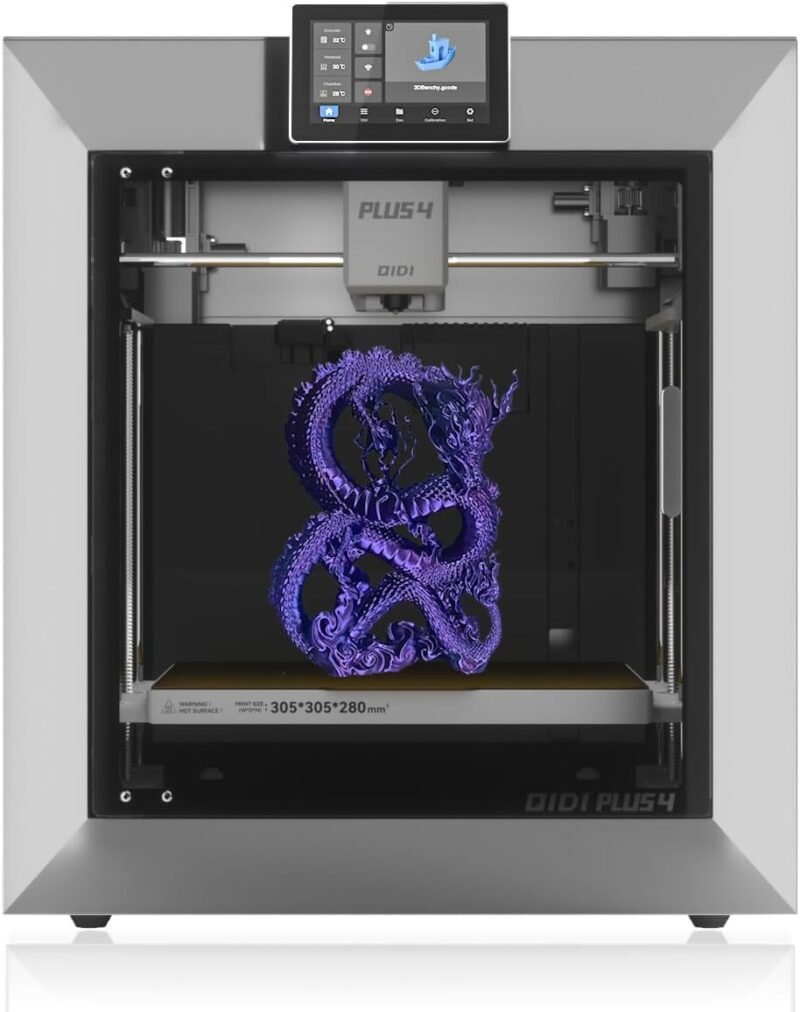
A passive enclosure only traps heat; the QIDI Q2 actively heats its chamber to 65°C and pairs it with a 370°C nozzle that the listing says unlocks PPS-CF. That’s the setup for large ABS and ASA cases that would otherwise warp or crack. The nozzle doubles as the leveling sensor, the CoreXY frame runs up to 600 mm/s, and a triple filtration system (G3 pre-filter, H12 HEPA and activated carbon) reduces odors. The optional QIDI BOX adds multi-color. It averages 4.1 stars from 180 ratings.
✅ Pros: True heated chamber; strong filtration.
❌ Cons: Fewer ratings than big brands.
🎯 Verdict: For warp-free ABS and ASA housings.
📐 BEST LARGE ENCLOSED · ⭐ 4.0/55. QIDI PLUS4
12 x 12 x 11 in build · 400W chamber heater · 362 ratings
Buy Here →

Need a full 19-inch-style front panel section or a case for a Raspberry Pi plus a 7-inch display? The PLUS4 offers a 12 x 12 x 11 inch build volume with a second-generation active chamber heating system (400 W heater plus air circulation, per the listing) and a 370°C high-temperature hotend. A dual-motor Z axis and a 6 mm aluminium bed keep large flat parts true. It averages 4.0 stars from 362 ratings.
✅ Pros: Large heated chamber volume.
❌ Cons: Big footprint.
🎯 Verdict: For large enclosures in ABS or ASA.
🏭 BEST LARGE MULTI-COLOR · ⭐ 4.2/56. Creality K2 Plus Combo
350 x 350 x 350 mm · CFS multi-color · 3,813 ratings
Buy Here →

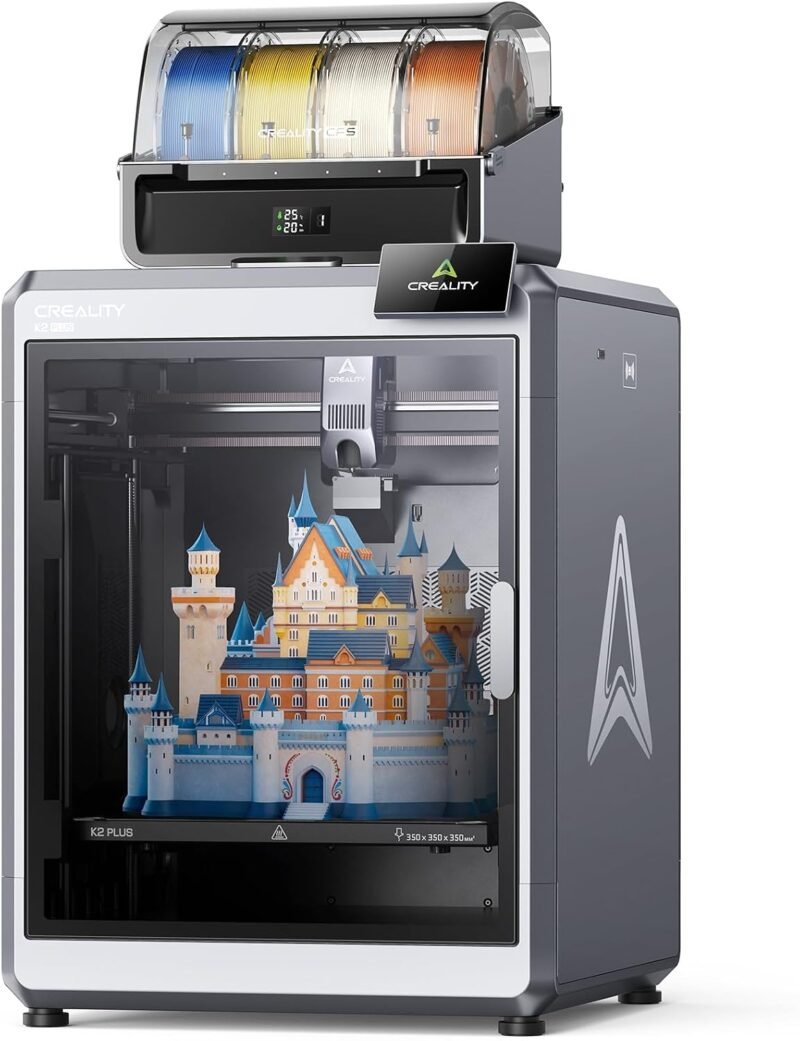
Creality’s flagship combines a 350 x 350 x 350 mm build volume with the CFS filament system (up to 16 colors with four CFS units). The listing says the chamber actively holds up to 60°C for ASA and PPA, it uses FOC step-servo motors, and dual AI cameras plus 18 sensors watch the print. It carries 3,813 ratings averaging 4.2 stars.
✅ Pros: Huge, heated, multi-color.
❌ Cons: Overkill for small cases.
🎯 Verdict: For makers printing big and often.
🔧 BEST OPEN SOURCE · ⭐ 4.1/57. Sovol SV08
Voron 2.4 based · Klipper · 700mm/s · 1,419 ratings
Buy Here →

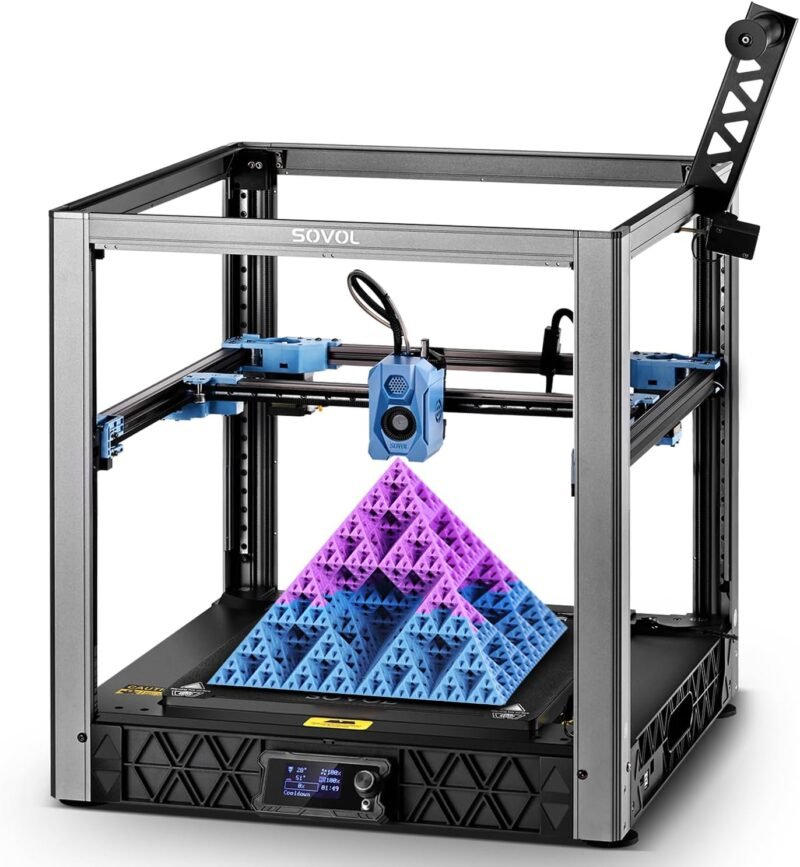
The SV08 is based on the open-source Voron 2.4, runs Klipper, and uses quad-gantry leveling with four independent Z motors. The listing quotes up to 700 mm/s and 40,000 mm/s² acceleration, with a ceramic heater reaching 300°C. It’s a great fit for electronics people who like to tune firmware and add their own sensors. The listing bullets don’t mention an enclosure, so plan on PLA and PETG unless you add one. It averages 4.1 stars from 1,419 ratings.
✅ Pros: Open source; Klipper; fast.
❌ Cons: No enclosure mentioned.
🎯 Verdict: For makers who want to hack their printer.
💰 BEST VALUE COREXY · ⭐ 4.2/58. FLASHFORGE Adventurer 5M
8.7 x 8.7 in bed · 280°C · Klipper · 528 ratings
Buy Here →

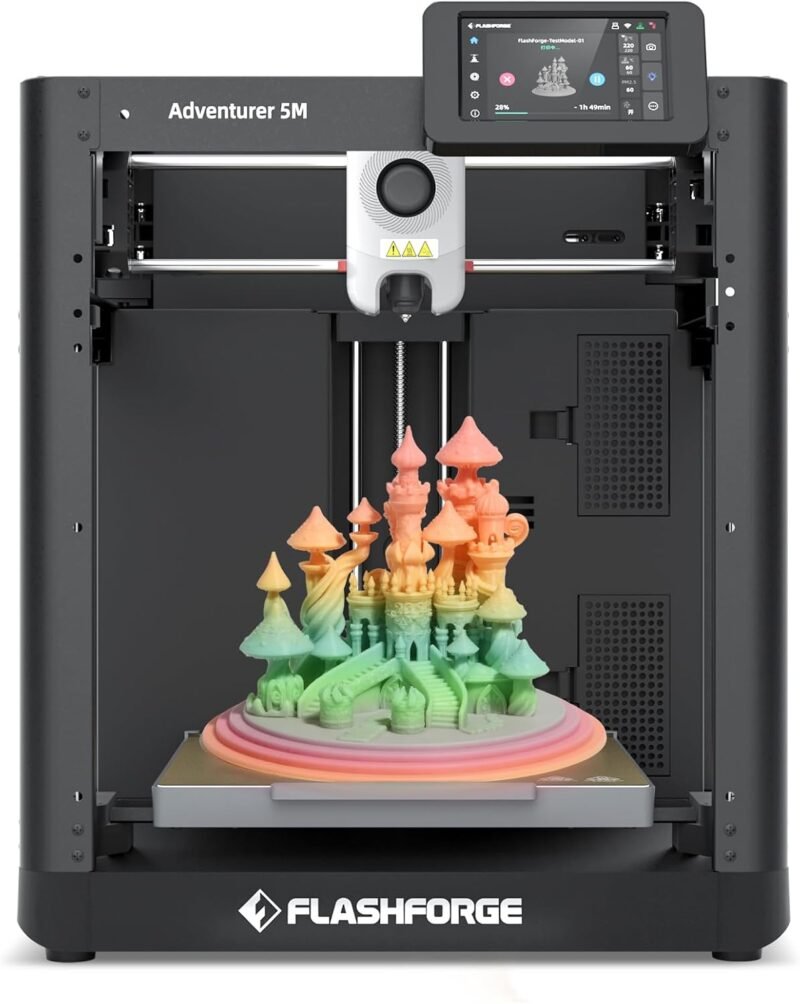
The non-Pro Adventurer 5M keeps the CoreXY frame, Klipper engine and 600 mm/s speed with a 32 mm³/s high-flow nozzle, 25-point auto bed leveling, a MagSwitch PEI plate and quick-change nozzles from 0.25 to 0.8 mm. It is open frame, but the listing mentions an optional enclosure as an upgrade path. Great for PLA and PETG cases. It averages 4.2 stars from 528 ratings.
✅ Pros: Fast and accurate for the money.
❌ Cons: Enclosure costs extra.
🎯 Verdict: Start open, enclose later.
😌 EASIEST SETUP · ⭐ 4.1/59. ELEGOO Centauri 2
CoreXY · 500mm/s · full auto calibration · 3,763 ratings
Buy Here →

ELEGOO’s Centauri 2 focuses on taking the fiddling out of printing: full automatic calibration with smart pre-print checks, a high-speed CoreXY system on a rigid aluminum frame (500 mm/s, 20,000 mm/s²), vibration compensation, a 5-inch touchscreen and a magnetic printhead cover for quick maintenance. The listing text doesn’t state the enclosure type, so check the product images if you plan to print ABS. The 3,763 ratings (4.1 stars) appear to be shared with the related Centauri Carbon listing.
✅ Pros: Very low-effort setup.
❌ Cons: Ratings shared with older model.
🎯 Verdict: For people who just want prints to work.
🌈 BEST COMPACT MULTI-COLOR · ⭐ 4.1/510. FLASHFORGE AD5X
4-color IFS · 600mm/s · 602 ratings
Buy Here →

The AD5X brings 4-color, multi-material printing via its Intelligent Filament System (IFS) to a compact CoreXY machine running up to 600 mm/s, with full auto leveling and vibration compensation. Use it for color-coded connector covers, keypad legends and front panels with printed labels. It’s open frame, so stick to PLA and PETG. It averages 4.1 stars from 602 ratings.
✅ Pros: Affordable 4-color.
❌ Cons: Open frame; purge waste.
🎯 Verdict: Labelled front panels without paint.
🪙 BEST BUDGET · ⭐ 3.9/511. Creality Ender 3 V3 SE
250mm/s · CR Touch · Sprite direct extruder · 3,897 ratings
Buy Here →

The classic entry point. The Ender 3 V3 SE pairs a Sprite direct extruder with CR Touch auto leveling plus a strain sensor for automatic Z offset, dual Z lead screws and up to 250 mm/s. It’s slower and less refined than the CoreXY picks, but perfectly capable of PLA and PETG boxes for Arduino and ESP32 projects. It has the most ratings on this list: 3,897, averaging 3.9 stars.
✅ Pros: Cheap; huge user base.
❌ Cons: Slower; open frame.
🎯 Verdict: The low-cost way to start printing cases.
🧸 BEST MINI · ⭐ 4.5/512. Entina Tina2C
Fully assembled · auto leveling · Wi-Fi · 320 ratings
Buy Here →

A small, fully assembled printer that the listing says is ready in five minutes, with auto leveling, 2.4 GHz Wi-Fi control through the Poloprint Cloud app, a flexible magnetic bed, a quick-swap nozzle and power-loss recovery. It’s ideal for tiny ESP32-C3 or sensor-module housings and desk-sized jobs, not big cases. It averages 4.5 stars from 320 ratings.
✅ Pros: Plug and play; tiny footprint.
❌ Cons: Small build area.
🎯 Verdict: For small housings and classrooms.
🔬 BEST FOR FINE DETAIL · ⭐ 4.4/513. ELEGOO Mars 5 Ultra
9K 7-inch mono LCD · 18 μm XY · 414 ratings
Buy Here →

When FDM layer lines are too coarse, resin wins. The Mars 5 Ultra uses a 7-inch 9K mono LCD with 18 μm XY resolution, tilt-release printing up to 150 mm/h, an AI camera and residue detection to protect the screen. Use it for tiny button caps, light pipes, connector keys and wearable cases. Standard resins are more brittle than PETG and need gloves, washing and curing. It averages 4.4 stars from 414 ratings.
✅ Pros: Exceptional detail.
❌ Cons: Messy post-processing; brittle parts.
🎯 Verdict: For tiny, precise parts, not big boxes.
🧭 Which One for Which Job
📡
ESP32 sensor nodes
Small PETG cases with vents: Adventurer 5M or Tina2C. Pair with a mmWave sensor window.
🌦️
Outdoor housings
UV-resistant ASA needs heat: QIDI Q2 or Adventurer 5M Pro.
🍓
Raspberry Pi and display cases
Large flat panels stay true on the QIDI PLUS4 or K2 Plus.
🔩
Brackets and DIN-rail clips
Stiff carbon fiber PETG on the Creality K1C.
🏷️
Labelled front panels
Print legends in color with the P1S + AMS or AD5X.
🔘
Button caps and light pipes
Fine detail from the Mars 5 Ultra resin printer.
🧪 Filament Guide for Electronics Enclosures
| Filament | Heat Resistance | Needs Enclosure? | Outdoor Use | Best For |
|---|
| PLA | Low (softens near 55 to 60°C) | No | Poor | Prototypes, indoor cool cases |
| PETG | Good | No | Fair | Most indoor project boxes |
| ASA | High | Yes | Excellent (UV resistant) | Outdoor and sunny locations |
| ABS | High | Yes | Fair | Warm interiors, vapor smoothing |
| PETG-CF / PA-CF | High, very stiff | Recommended | Good | Brackets, mounts, clips |
| Standard resin | Low to medium | Resin printer | Poor | Tiny detailed parts |
General material behavior; exact values depend on the brand. Highlighted cells mark the strongest choice in each column. Check your filament’s datasheet for heat deflection temperature.
🙋 Frequently Asked Questions
❓ Can I print a case for mains-powered electronics?
Be careful. Ordinary PLA, PETG and ASA are not flame rated. For anything touching mains voltage, use a certified enclosure or a flame-retardant (UL94 V-0) filament, add proper strain relief and keep mains and low-voltage sections physically separated. When in doubt, buy a rated box.
❓ Which filament is best for an ESP32 or Arduino project box?
PETG is the best default: tougher and more heat tolerant than PLA, and it prints on open printers. Use ASA if the case will live outdoors or in direct sun.
❓ Do I really need an enclosed printer?
Only for ABS, ASA and nylon blends, or if you print large parts in a cold room. For PLA and PETG an open printer like the Adventurer 5M or Ender 3 V3 SE works well.
❓ How do I add threads for screws in a printed case?
Design holes slightly undersized and press in brass heat-set inserts with a soldering iron tip. A temperature-controlled iron from our soldering stations guide makes this easy.
❓ Resin or FDM for electronics enclosures?
FDM for almost all cases: stronger, cheaper and cleaner to work with. Resin is best for tiny button caps, light pipes and detailed parts where layer lines matter.
🏁 Final Verdict: Best 3D Printers for Electronics Enclosures
Our picks by job:
🥇 Best Overall: FLASHFORGE Adventurer 5M Pro
Buy Here →🥈 Best for Tough Filaments: Creality K1C
Buy Here →🎨 Best Multi-Color Enclosed: Bambu Lab P1S + AMS Combo
Buy Here →🔬 Best Fine Detail: ELEGOO Mars 5 Ultra
Buy Here →For most electronics makers the FLASHFORGE Adventurer 5M Pro hits the sweet spot: enclosed, filtered and happy with PETG, ASA and ABS. Choose the Creality K1C for carbon fiber parts, a QIDI for heated-chamber ASA, and the Ender 3 V3 SE if budget comes first. Round out your workbench with our guides to project enclosures, soldering stations, label printers, wire strippers and crimping tools.
💬 What do you print your project cases in? Share your favorite filament and printer in the comments below.
All Amazon links above use our affiliate tag (microlab05-20). Purchasing through them supports microcontrollerslab.com at no extra cost to you. Prices and availability change frequently, so always confirm the current price on Amazon before buying.