Voltage Sensor Module Interfacing with Arduino – DC Voltage Measurement
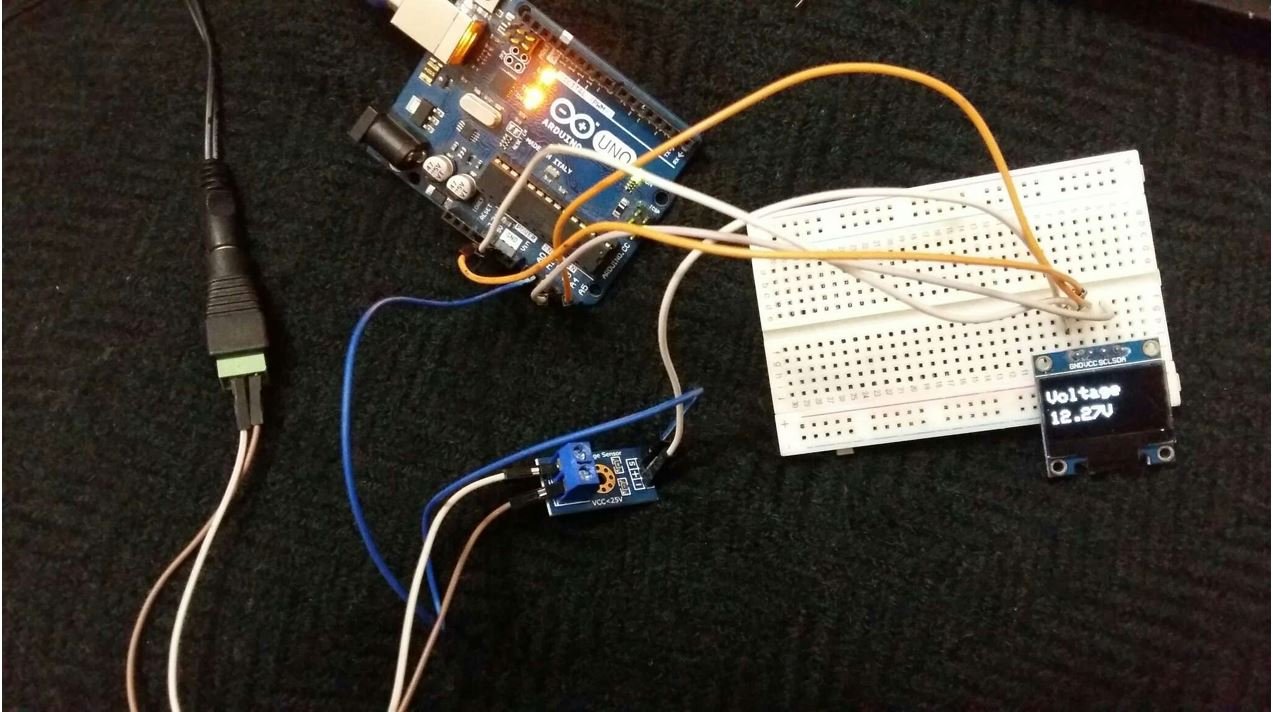
Voltage Sensor Module with Arduino

In this tutorial, we will learn to interface the 0-25V DC voltage sensor module with Arduino and program it for voltage measurement. This guide includes an introduction to the voltage sensor module, its pinout, connection with Arduino and then programming our Arduino with the sensor to display the measured voltage readings on an OLED. Recommended … Read more
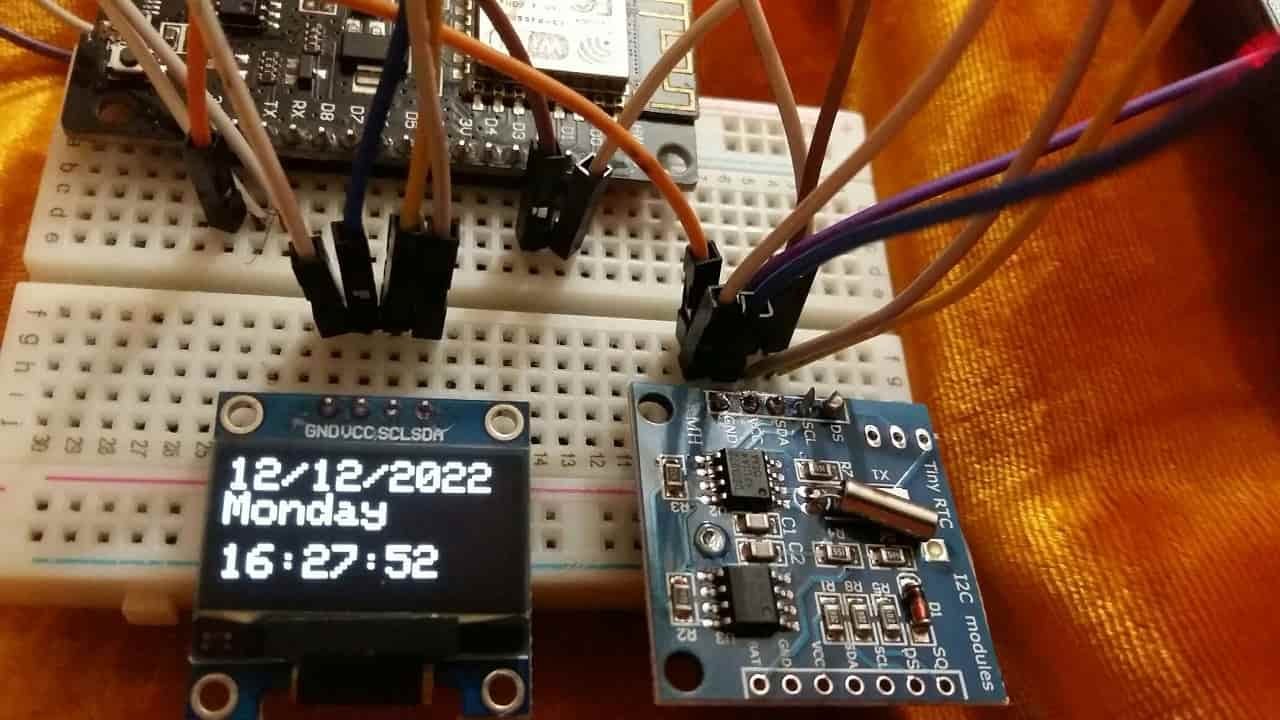
ESP8266 NodeMCU DS1307 RTC Real Time Clock with OLED

ESP8266 NodeMCU DS1307 RTC Real Time Clock with OLED

In this tutorial, we will learn to interface DS1307 RTC module with ESP8266 NodeMCU board. Firstly, we will look into these questions: What is RTC (Real-time clock)? Why real-time clock is used? How a RTC module communicates with ESP8266 on an I2C communication bus? How to make a digital clock using ESP8266 and DS1307 RTC … Read more

ESP32 Real Time Clock (RTC) using DS1307 Module and display on OLED

ESP32 Real Time Clock (RTC) using DS1307 Module and display on OLED

In this tutorial, we will learn to interface DS1307 RTC module with ESP32 development board. Firstly, we will look into these questions: What is RTC (Real-time clock)? Why real-time clock is used? How a RTC module communicates with ESP32 on an I2C communication bus? How to make a digital clock using ESP32 and DS1307 RTC … Read more

ESP8266 NodeMCU with MS5611 Barometric Pressure Sensor

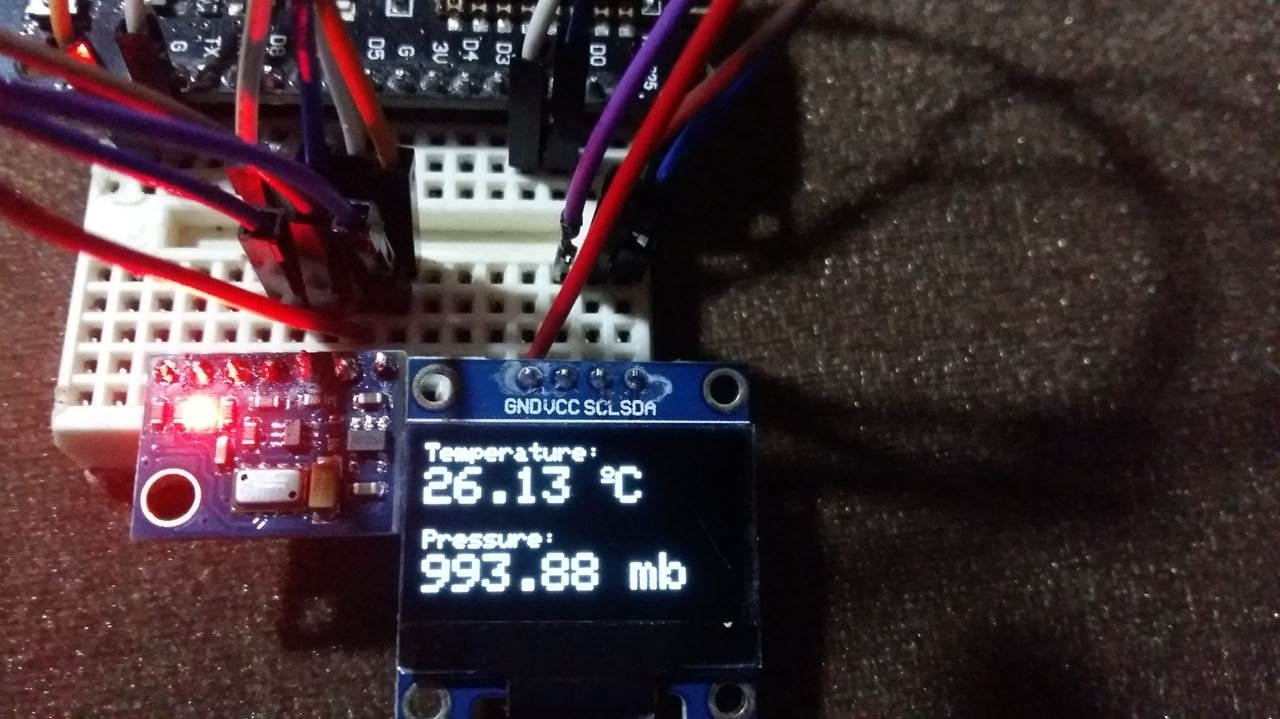
MS5611 with ESP8266 and OLED

In this user guide, we will learn to interface MS5611 barometric pressure sensor module with ESP8266 NodeMCU. Firstly, we will introduce you to the MS5611 sensor including its pinout, features, and interfacing with ESP8266. Secondly, we will install the Arduino MS5611 library in Arduino IDE to access the sensor data. Lastly, we see two examples … Read more

ESP8266 NodeMCU with SHT31 Temperature & Humidity Sensor

SHT31 with ESP8266 Display Sensor Data on OLED

In this user guide, we will learn to interface SHT31 Temperature and Humidity Sensor module with ESP8266 NodeMCU. Firstly, we will introduce you to SHT31 sensor including its pinout, features, and interfacing with ESP8266. Secondly, we will install the Adafruit SHT31 library in Arduino IDE to access the sensor data. Lastly, we see two examples … Read more

Interface MS5611 Barometric Pressure Sensor with ESP32

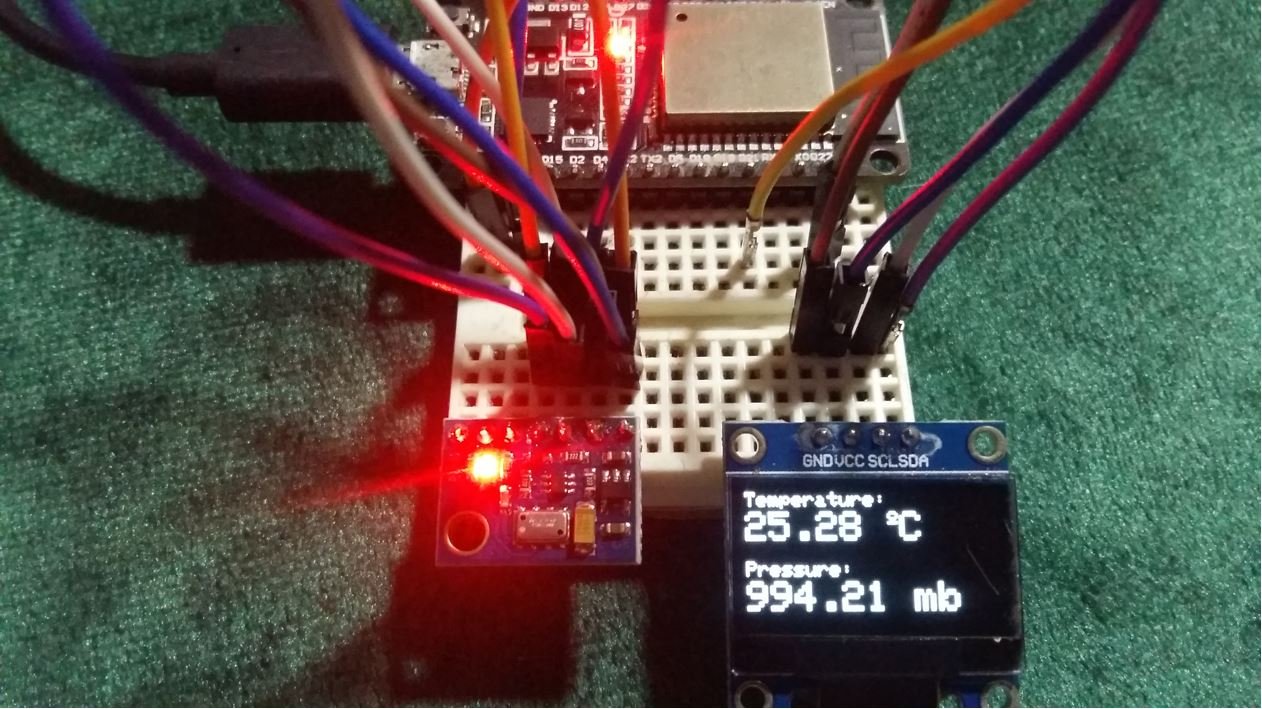
MS5611 with ESP32 Display sensor data on OLED

In this user guide, we will learn to interface MS5611 barometric pressure sensor module with ESP32 development board. Firstly, we will introduce you to the MS5611 sensor including its pinout, features, and interfacing with ESP32. Secondly, we will install the Arduino MS5611 library in Arduino IDE to access the sensor data. Lastly, we see two … Read more

Interface SHT31 Temperature & Humidity Sensor with ESP32

SHT31 with ESP32 Display Readings on OLED

In this user guide, we will learn to interface SHT31 Temperature and Humidity Sensor module with ESP32 development board. Firstly, we will introduce you to SHT31 sensor including its pinout, features, and interfacing with ESP32. Secondly, we will install the Adafruit SHT31 library in Arduino IDE to access the sensor data. Lastly, we see two … Read more

Interface MS5611 Barometric Pressure Sensor with Arduino

MS5611 with Arduino Display Sensor Data on OLED

In this user guide, we will learn to interface MS5611 barometric pressure sensor module with Arduino. Firstly, we will introduce you to the MS5611 sensor including its pinout, features, and interfacing with Arduino. Secondly, we will install the Arduino MS5611 library in Arduino IDE to access the sensor data. Lastly, we see two examples to … Read more

Interface HTU21D Temperature & Humidity Sensor with Arduino

HTU21D with Arduino Display Readings on OLED

In this user guide, we will learn to interface HTU21D Temperature and Humidity Sensor module with Arduino. Firstly, we will introduce you to HTU21D sensor including its pinout, features, and interfacing with Arduino. Secondly, we will install the Adafruit HTU21D library in Arduino IDE to access the sensor data. Lastly, we see two examples to … Read more