LittleFS Introduction & Install ESP8266 NodeMCU Filesystem Uploader in Arduino IDE

LittleFS Introduction Install ESP8266 NodeMCU Filesystem Uploader in Arduino IDE

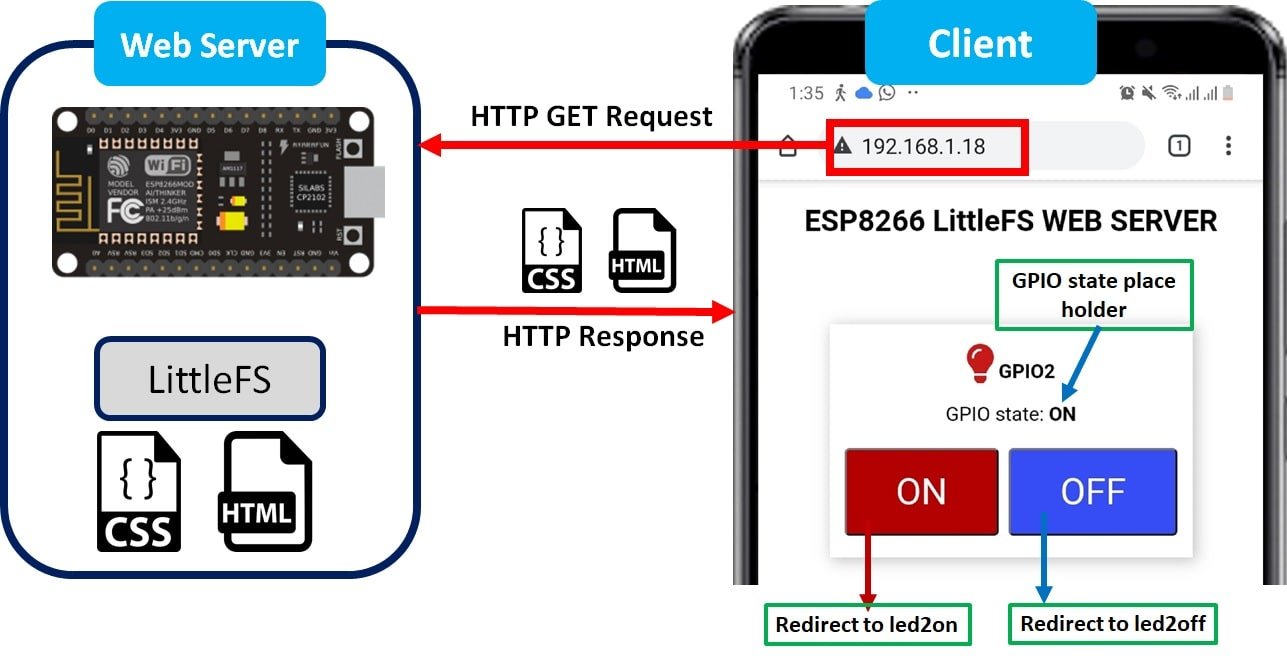
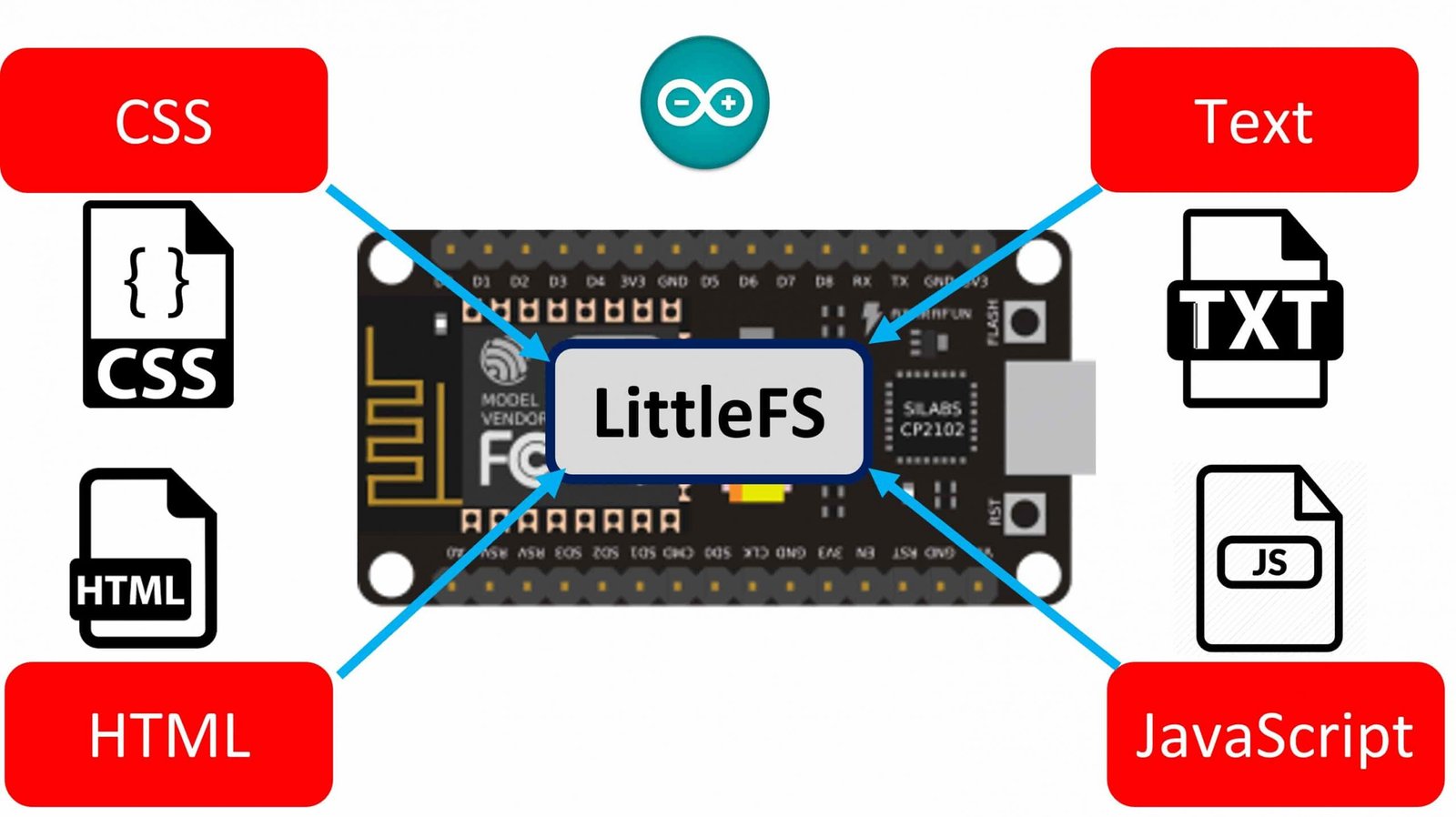
In this tutorial, we will show you how to install a file system uploader plugin in Arduino IDE to upload files to ESP8266 NodeMCU flash (LittleFS). By default, there is no support in Arduino IDE to upload files to ESP8266 flash filesystem. But we can install a plugin to add a file uploading feature in … Read more

MPU6050 with Arduino – Display values on SSD1306 OLED

MPU6050 interfacing with Arduino and Display values on SSD1306 OLED

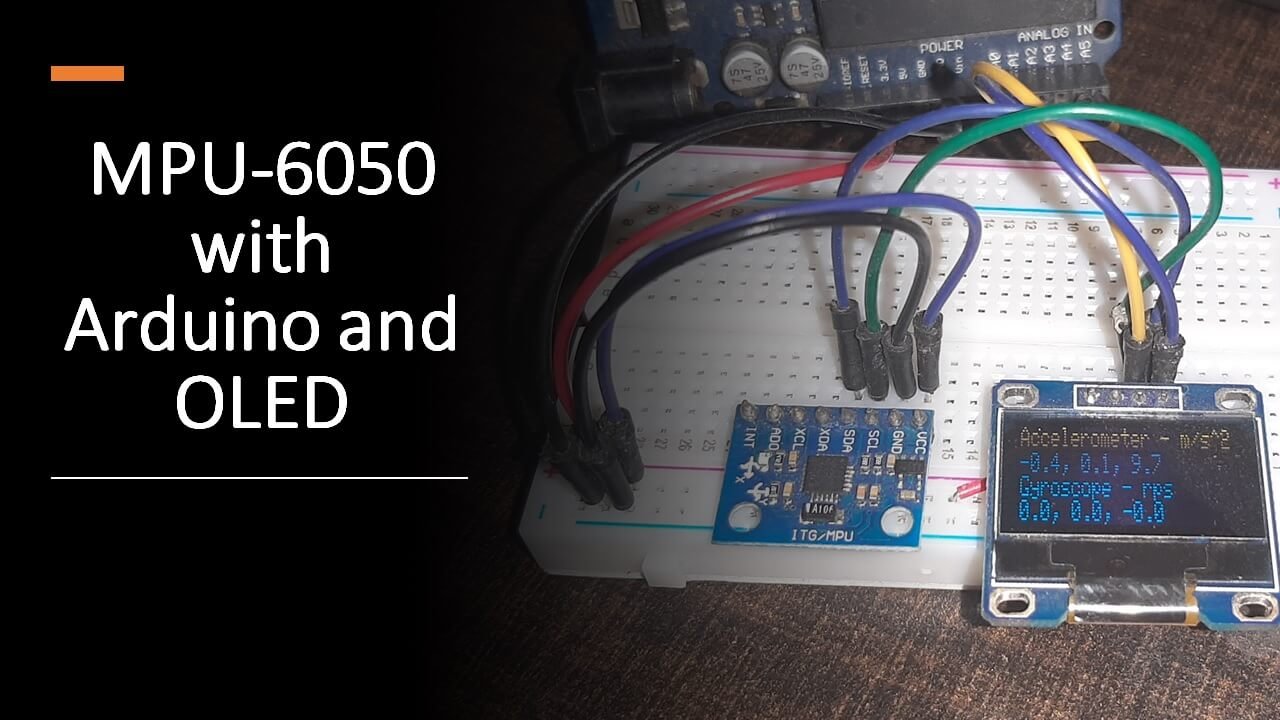
In this tutorial, we will learn to use the MPU6050 Accelerometer and Gyroscope module, and how to interface it with Arduino to measure accelerometer, gyroscope, and temperature values in Arduino IDE. MPU6050 module is used to measure acceleration, temperature, displacement, and angular velocity. It is equipped with 6-axis motion tracking sensors which are integrated inside … Read more

MicroPython: ESP32 Deep Sleep Mode and Wake Up Sources

MicroPython ESP32 Deep Sleep Mode and Wake Up Sources

In this tutorial, we will learn about ESP32 deep sleep modes. In this comprehensive guide, we will look at ways to put the ESP32 development board into a deep sleep mode. Furthermore, We will also discuss different wake up sources through which ESP32 can go from sleep to normal execution mode such as timer, external … Read more

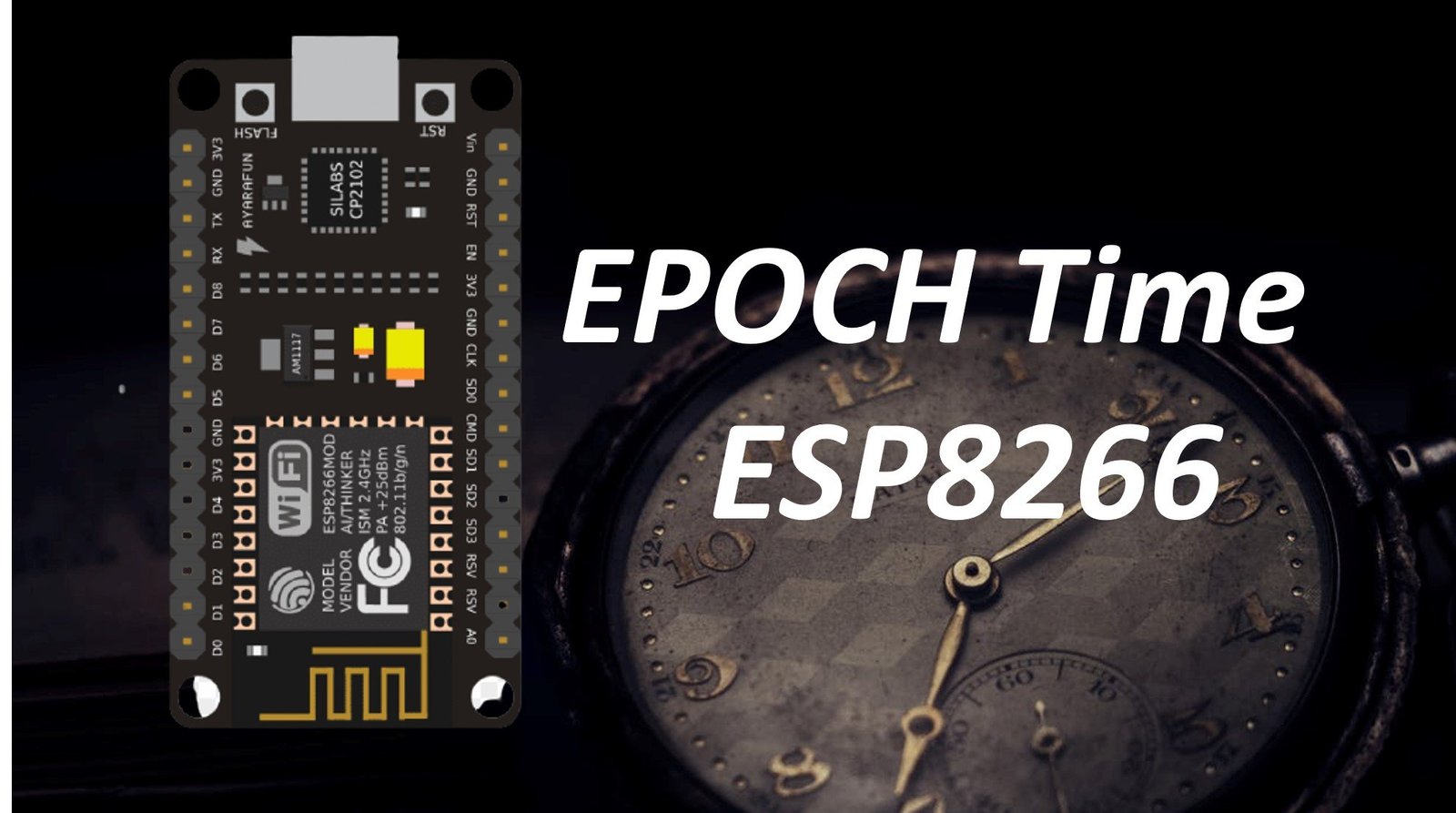
Getting Epoch/Unix time with ESP8266 NodeMCU through NTP server using Arduino IDE

Getting Epoch time with ESP8266 NodeMCU Arduino

In this tutorial, we will learn to get Getting Epoch/Unix time with ESP8266 NodeMCU through the NTP server using Arduino IDE. In the data logger application, Epoch timestamp is useful to log values along with timestamps. Epoch time is also known as Unix epoch, Unix time, POSIX time, or Unix timestamp. To get Epoch time, we use getEpochTime() function … Read more

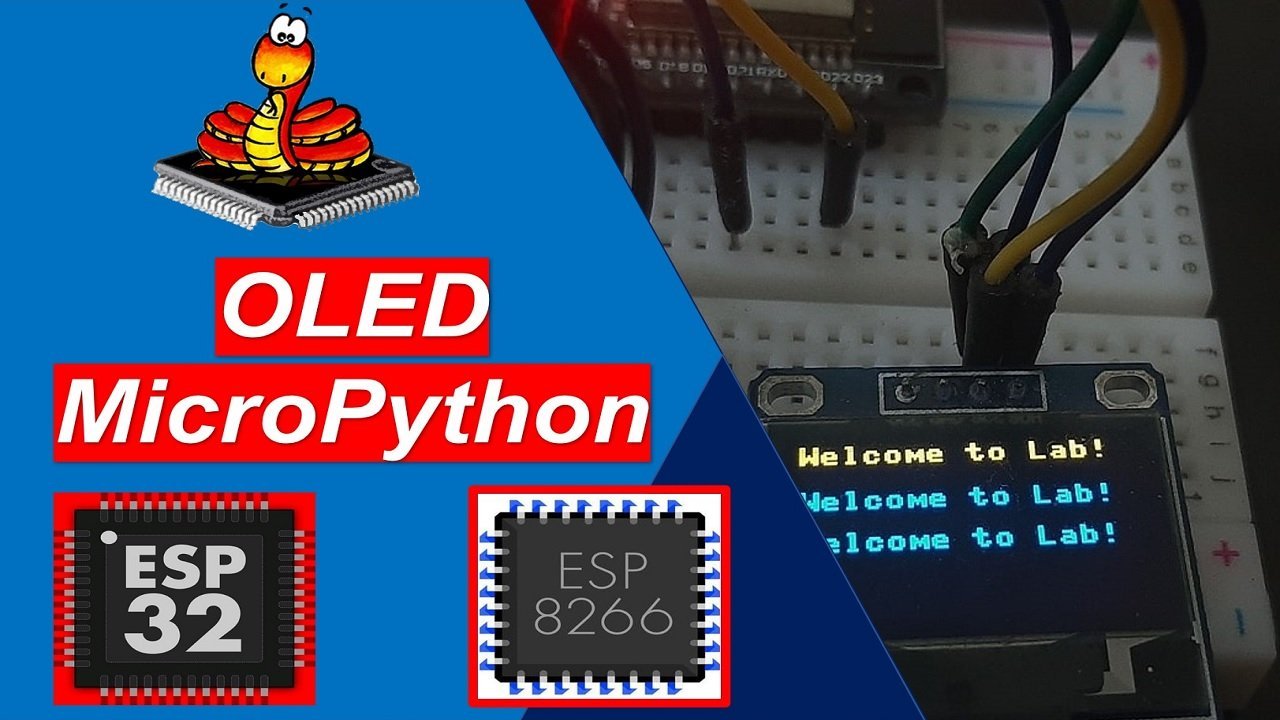
OLED Display with ESP32 and ESP8266 in MicroPython

MicroPython OLED Display with ESP32 and ESP8266

In this user guide, we learn about the SSD1306 0.96-inch I2C OLED display and how to connect it with ESP32 and ESP8266 by using MicroPython firmware. An OLED (organic light-emitting diode) is used frequently in displaying texts, bitmap images, shapes, and different types of clocks. They offer good view angles and pixel density in a … Read more

MicroPython: Wi-Fi Manager with ESP32 and ESP8266

MicroPython Wi-Fi Manager with ESP32 and ESP8266

In this user guide, we will learn how to incorporate Wi-Fi manager with our ESP32/ESP8266 boards. WiFi manager let us connect ESP32 or ESP8266 to a network without having to hardcode our network credentials in a script. We will be using a previous example when we learned how to build a web server (ESP32/ESP8266 MicroPython … Read more

MPU-6050 with ESP8266 NodeMCU Accelerometer, Gyroscope, and Temperature Sensor (Arduino IDE)

MPU-6050 with ESP8266 NodeMCU Arduino IDE

In this tutorial, we will learn to use the MPU-6050 Accelerometer, Gyroscope module, and how to interface it with ESP8266 NodeMCU to measure accelerometer, gyroscope, and temperature values in Arduino IDE. MPU-6050 module is used to measure acceleration, temperature, displacement, and angular velocity. It is equipped with 6-axis motion tracking sensors which are integrated inside … Read more

MicroPython: BME680 Web Server with ESP32 and ESP8266 (Gas, Pressure, Temperature, Humidity)

MicroPython ESP32 ESP8266 BME680 web server

In this user guide, we will learn to create a web server with BME680 environmental sensor, which is used to measure ambient temperature, barometric pressure, relative humidity, and gas (VOC) or Indoor air quality (IAQ). We will learn how to display sensor values on a web page using ESP32 and ESP8266 NodeMCU and MicroPython firmware. … Read more

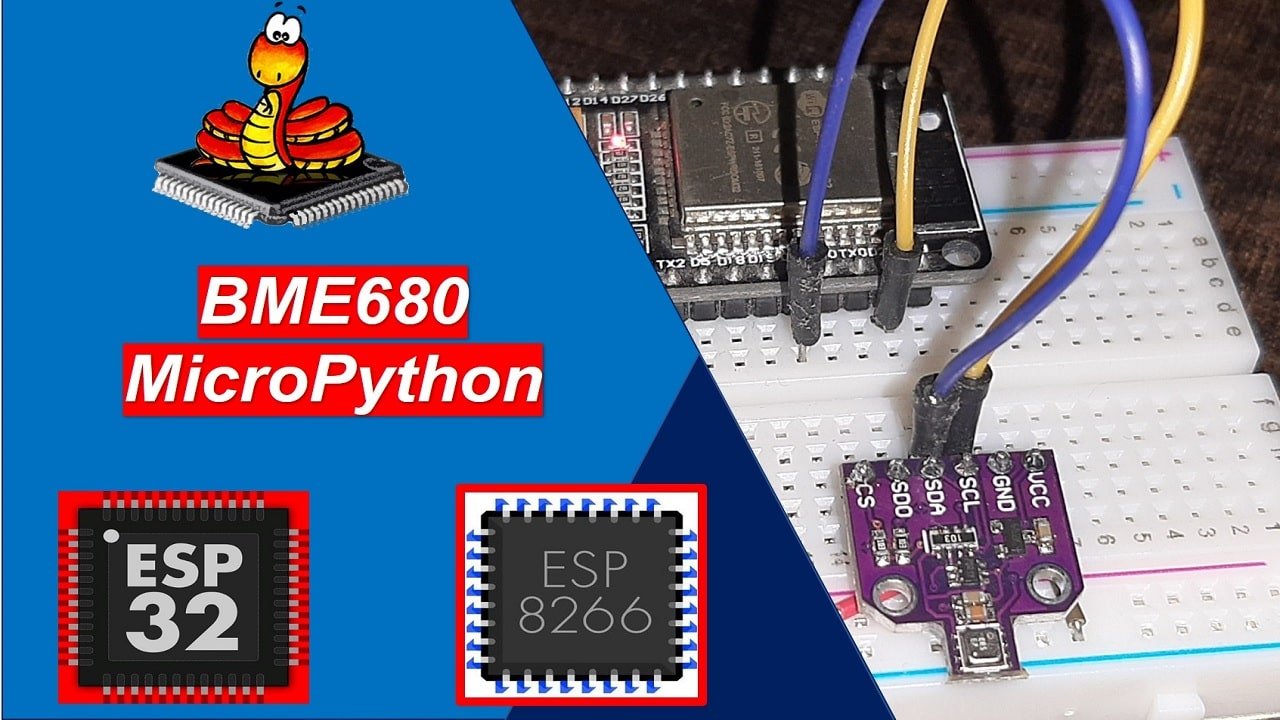
MicroPython: BME680 with ESP32 and ESP8266 (Gas, Pressure, Temperature, Humidity)

MicroPython BME680 with ESP32 and ESP8266 Gas Pressure Temperature Humidity

In the user guide, we will look upon the BME680 environmental sensor, which is used to measure ambient temperature, barometric pressure, relative humidity, and gas (VOC) or Indoor air quality (IAQ). We will learn how to interface it with ESP32 and ESP8266 NodeMCU using MicroPython firmware. For demonstration, firstly, we will a simple MicroPython program … Read more