BME680 Web Server with ESP8266 NodeMCU (Arduino IDE)
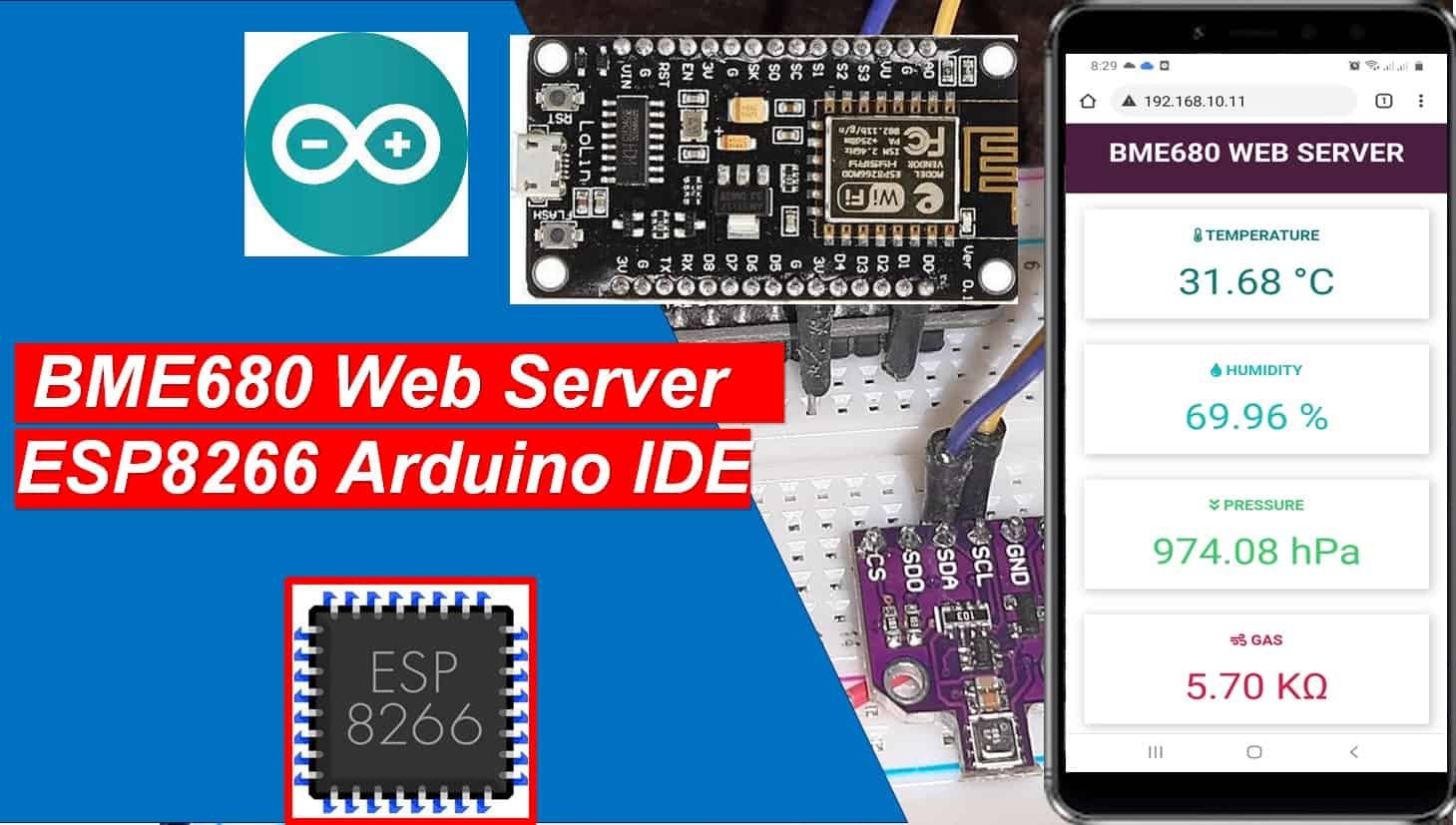
BME680 web server using ESP8266 Arduino IDE temperature pressure humidity gas

In this tutorial, we will learn to create a BME680 web server using ESP8266 NodeMCU and Arduino IDE. The BME680 is used to measure ambient temperature, barometric pressure, relative humidity, and gas (VOC) or Indoor air quality (IAQ). We will learn how to display sensor values on a web page using ESP8266 NodeMCU. The sensor … Read more
ESP8266 Deep Sleep and Wake Up Sources using Arduino IDE

ESP8266 Deep Sleep and Wake Up Sources using Arduino IDE

In this tutorial, we will learn about ESP8266 deep sleep mode and wake up sources using Arduino IDE. In this comprehensive guide, we will look at how to put the ESP8266 development board into deep sleep mode. Furthermore, we will also discuss different wake up sources through which ESP8266 can go from sleep to normal … Read more

DS18B20 with ESP8266 NodeMCU (Single/Multiple): Display Readings on OLED

display DS18B20 values on OLED ESP8266 NodeMCU using Arduino

In this user guide, we will learn how to use a DS18B20 temperature sensor with an ESP8266 NodeMCU using Arduino IDE. This is a comprehensive article in which we will discuss the sensor and how to access sensor readings through both single and multiple sensors. Additionally, we will also display the temperature readings on an … Read more

Telegram ESP32/ESP8266: Display BME280 sensor readings using Arduino IDE

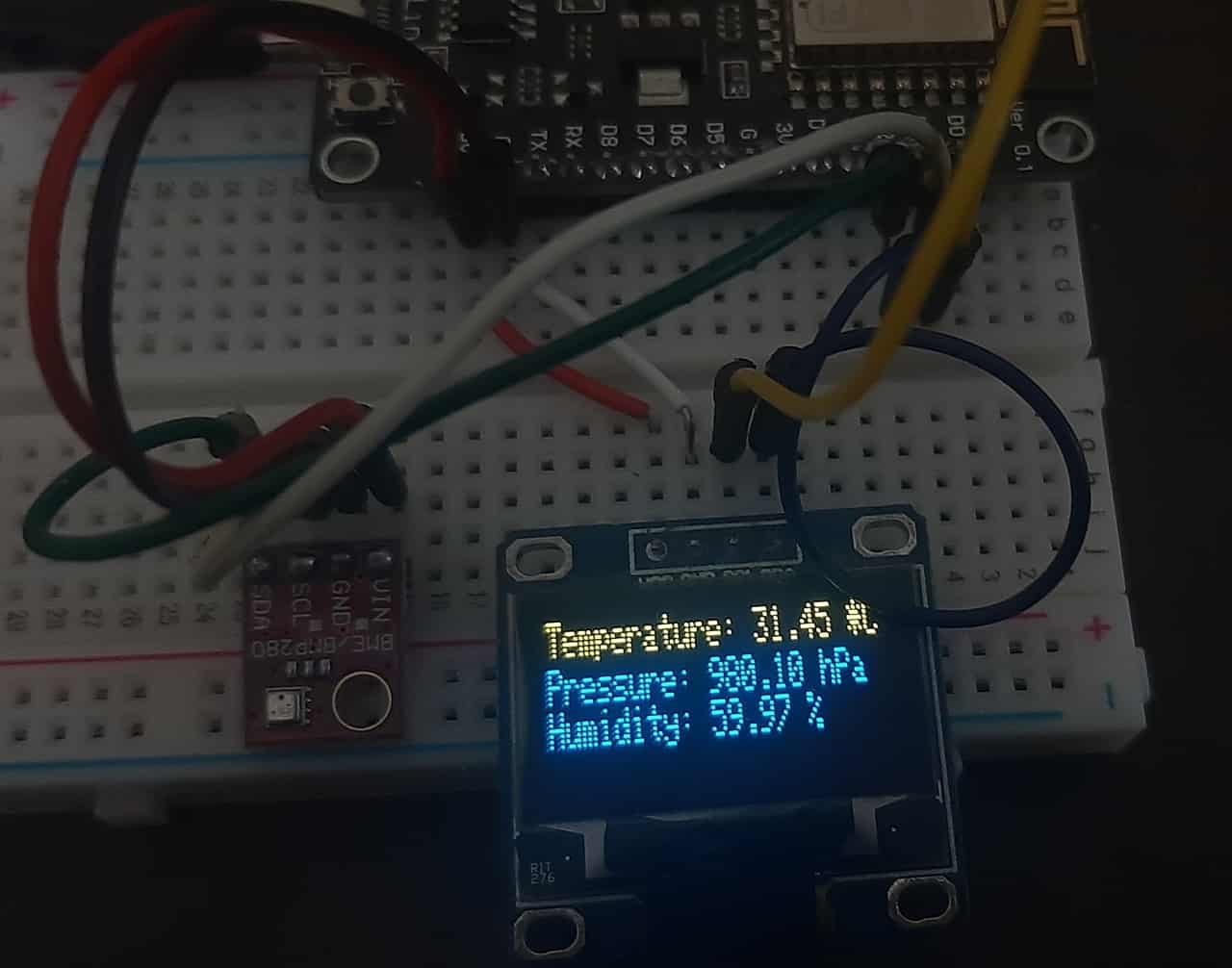
Telegram ESP32 and ESP8266 Display BME280 sensor readings using Arduino IDE

In a previous tutorial, we learned how to control the output of our ESP32 or ESP8266 NodeMCU by using Telegram Bot (Telegram ESP32 and ESP8266: Control GPIOs and LEDs using Arduino IDE). This time we will take our project further and use telegram to request sensor readings from the ESP32/ESP8266 board. We will create a … Read more

Getting Started with VS Code and PlatformIO IDE for ESP32 and ESP8266 (Windows, macOS, Linux)

Program ESP32 and ESP8266 with VS code and Platform IO

In this tutorial, we will learn to program ESP32 and ESP8266 boards with VS code by using the PlatformIO extension available in visual studio code. As we have seen in previous tutorials, we have learned to program ESP32 and ESP8266 boards using various IDEs. Previously we looked upon Thonny IDE and uPyCraft IDE when programming … Read more

ESP8266 NodeMCU Send Sensor Readings to ThingSpeak using Arduino IDE (BME280)

ESP32 thingspeak publish sensor readings multiple fields dashboard demo.

In this user guide, we will learn how to publish sensor readings to ThingSpeak using the ThingSpeak Arduino library and ESP8266 NodeMCU. We will use Arduino IDE to program our ESP8266 NodeMCU board which will be connected to a temperature, humidity, and pressure sensor. Our main aim is to transmit these sensor readings to ThingSpeak … Read more

ESP32/ESP8266: Publish Sensor Readings to Google Sheets via IFTTT

ESP32 ESP8266 Publish Sensor Readings to Google Sheets via IFTTT

In this user guide, we will learn how to publish sensor readings from ESP32/ESP8266 to Google Sheets using IFTTT as a third-party service. This guide will be helpful for the users who want to access data for a predetermined amount of time and also store it appropriately. Any preferred sensor, such as DS18B20, BME680, and … Read more

ESP8266 Send Sensor Readings to Google Firebase Database and Create Web App

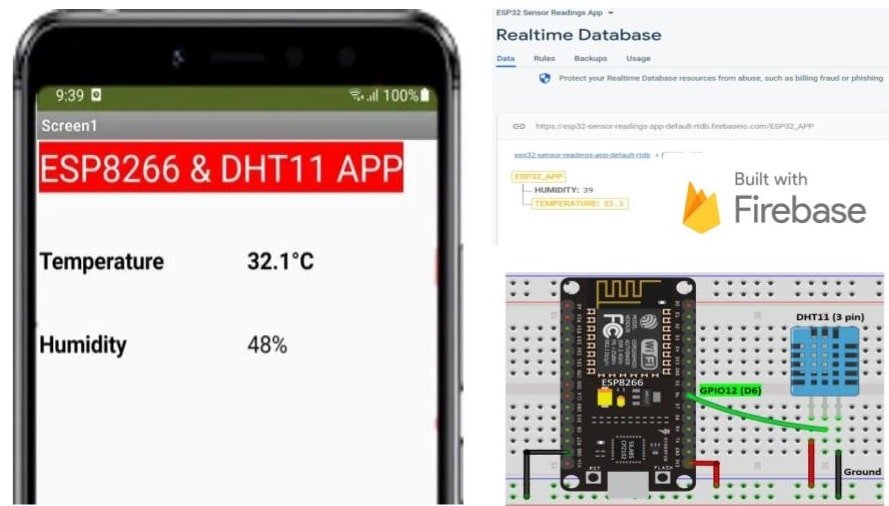
ESP8266 Send Sensor Readings to Google Firebase and Build an Android app to display Data

In this user guide, we will learn to send sensor readings to Google firebase and also on Android app through Google Firebase using ESP8266 NodeMCU and Arduino IDE. We will make our personal ESP8266 IOT app by using Google Firebase and MIT App Inventor. Previously, we used the Blynk application to control ESP32’s output (Control … Read more