Control ESP32 Outputs using Google Assistant and Adafruit IO
Control ESP32 Outputs using Google Assistant and Adafruit IO

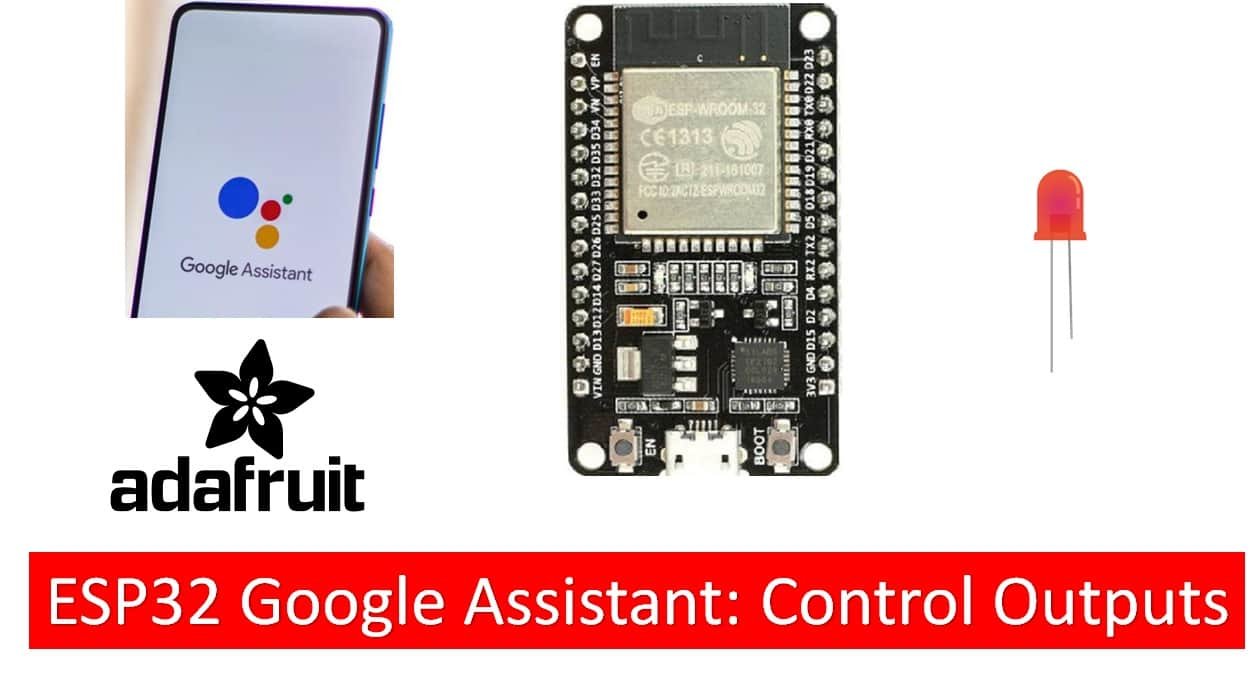
In this user guide, we will control the output of the ESP32 using Google Assistant and Adafruit IO. In the era of smart homes and interconnected devices, the integration of Internet of Things (IoT) technologies has paved the way for seamless control and monitoring of everyday objects. In this digital landscape, the ESP32 microcontroller has … Read more
ESP32 Receive Data from Google Firebase with Example to Control Outputs

Google Firebase Control ESP32 Outputs with Arduino IDE

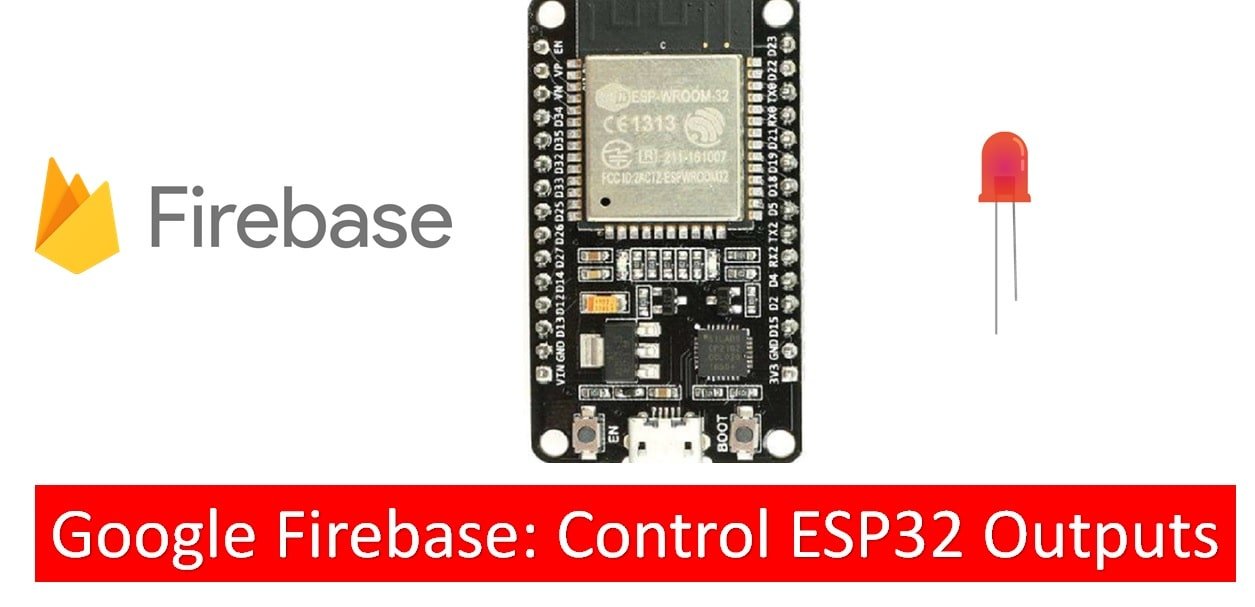
Imagine being able to control things like lights or appliances in your home from your phone, no matter where you are. In this tutorial, we will learn how to receive data from Google Firebase. We will send data from Google Firebase to ESP32. In response to that data, we will control the onboard LED of … Read more

Telegram Control ESP32 and ESP8266 GPIOs and LEDs using Arduino IDE

Telegram ESP32 and ESP8266 Control GPIOs and LEDs using Arduino IDE

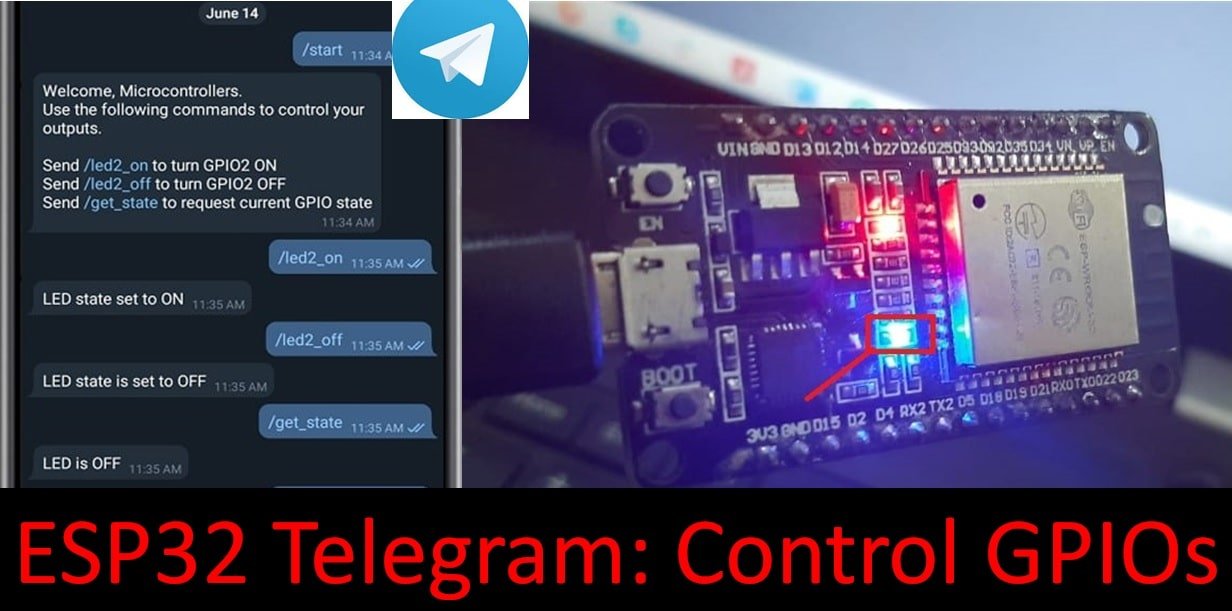
In this tutorial, we will learn how to control the output of ESP32 or ESP8266 NodeMCU by using Telegram Bot. Telegram is a free, cross-platform, cloud-based messaging application used for sending messages, videos, and images. For the user, it becomes extremely interactive as well as easy to use this application to control any AC appliance … Read more

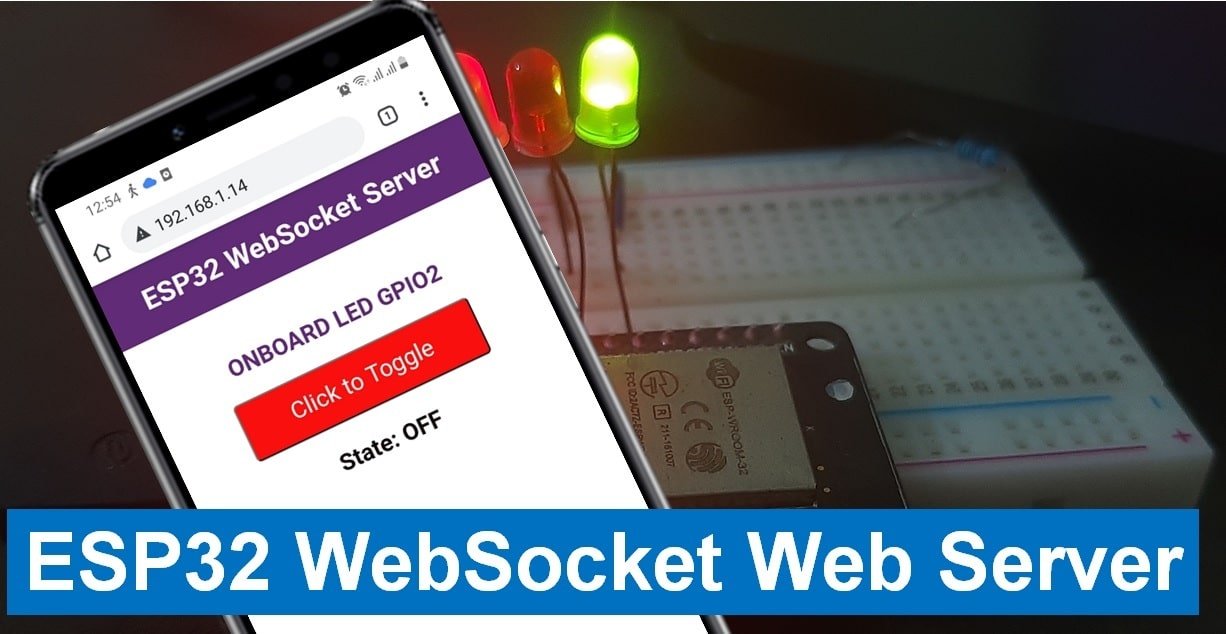
ESP32 WebSocket Server using Arduino IDE – Control GPIOs and Relays

ESP32 WebSocket Server control GPIO and relays remotely

In this tutorial, we will create an ESP32 WebSocket server using the WebSocket communication protocol and the Arduino IDE. The user will be able to control the onboard LED of the ESP32 and can connect a relay to control AC loads. Through the WebSocket communication protocol, several clients can connect to the server concurrently without … Read more

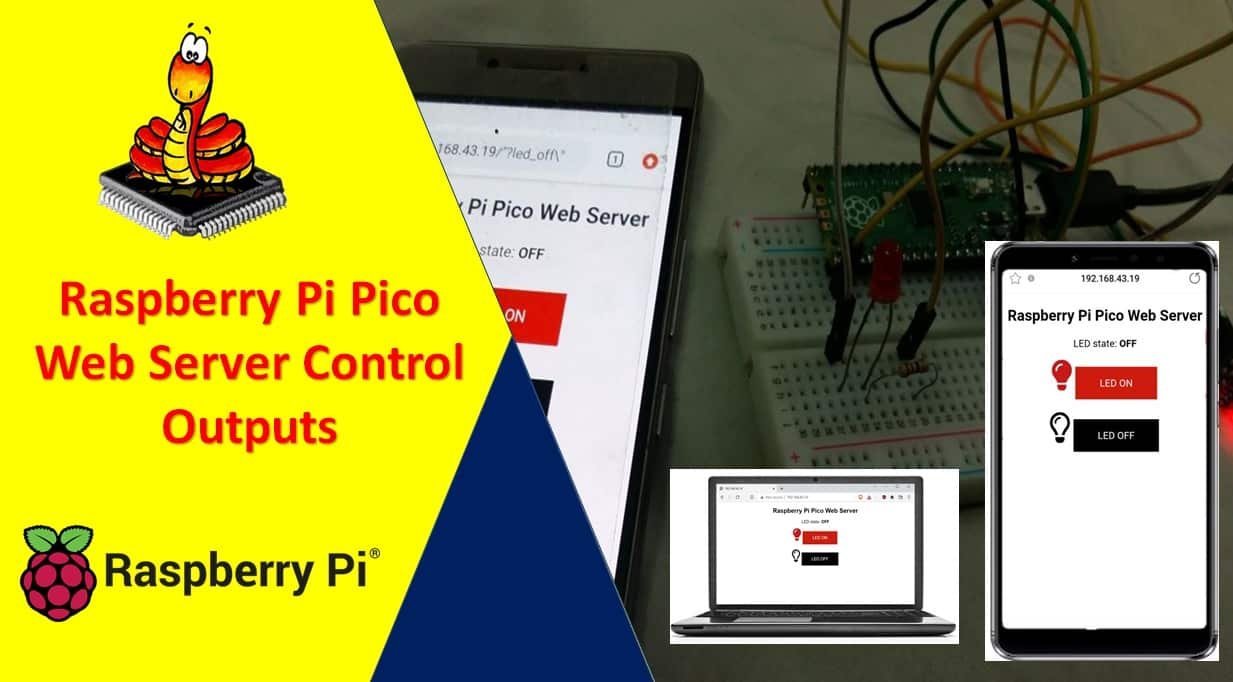
Raspberry Pi Pico Web Server Control GPIO Outputs

Raspberry Pi Pico Web Server Control Outputs

Learn to make a web server with MicroPython to control outputs using Raspberry Pi Pico GPIO pins. In this tutorial, we will create a raspberry Pi Pico web server which contains an ON and an OFF button. The ON and OFF button controls the LED connected to one of the GPIO pins of Raspberry Pi … Read more

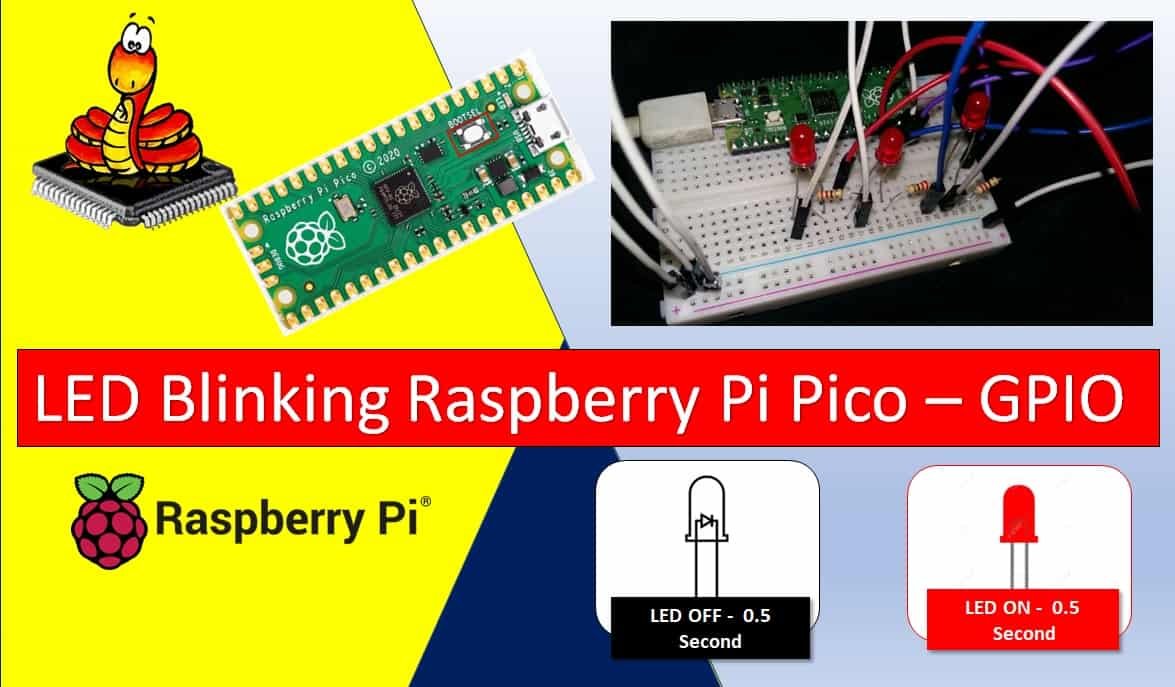
Raspberry Pi Pico GPIO Programming with MicroPython – LED Blinking Examples

Raspberry Pi Pico GPIO pins with Thonny IDE

If you are new to Raspberry Pi Pico and want to explore its GPIO capabilities using MicroPython, then you have come to the right place. In this tutorial, we will show you how to use the GPIO pins of Raspberry Pi Pico as digital outputs using MicroPython firmware. We will connect LEDs to the GPIO … Read more

Control ESP8266 NodeMCU Outputs using Google Assistant and Adafruit IO

Control ESP8266 NodeMCU Outputs using Google Assistant and Adafruit IO

In this user guide, we will control the output of the ESP8266 NodeMCU using Google assistant and Adafruit IO. Previously, we controlled the ESP module’s outputs through applications such as Telegram, Google Firebase, and Blynk applications. You can view the tutorials by accessing the links below. Telegram ESP32 and ESP8266: Control GPIOs and LEDs using … Read more

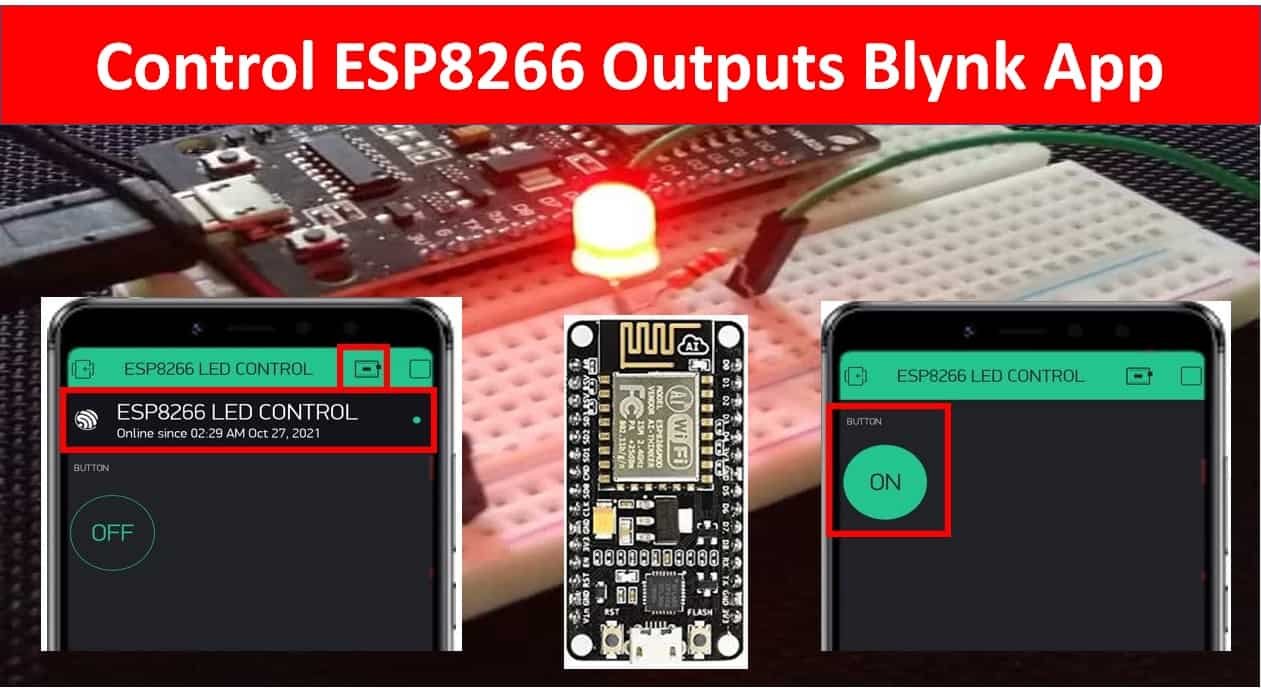
Control ESP32 Outputs using Blynk App and Arduino IDE

Control ESP32 Outputs using Blynk and Arduino IDE

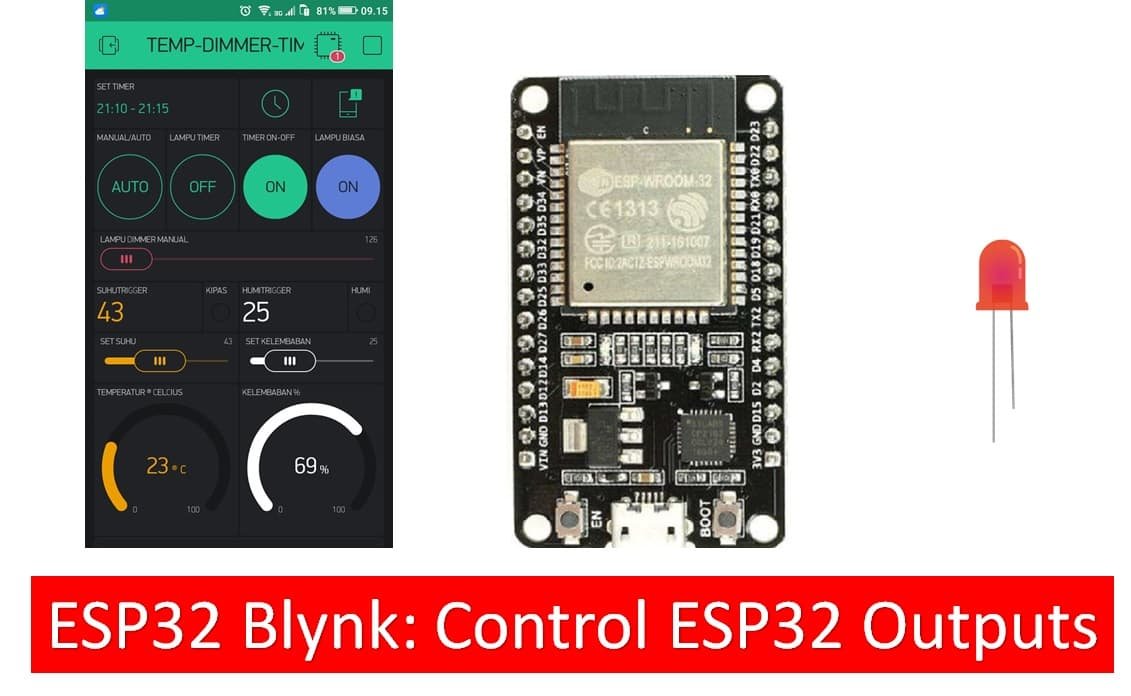
In this user guide, we will control the output of the ESP32 using the Blynk application installed in our smartphones. Previously, we controlled the ESP module’s outputs through applications such as Telegram and Google Firebase. You can view the tutorials by accessing the links below: Telegram ESP32 and ESP8266: Control GPIOs and LEDs using Arduino … Read more

ESP8266 NodeMCU WebSocket Server using Arduino IDE and LittleFS – Control GPIOs

ESP8266 WebSocket Server control GPIO and relays remotely

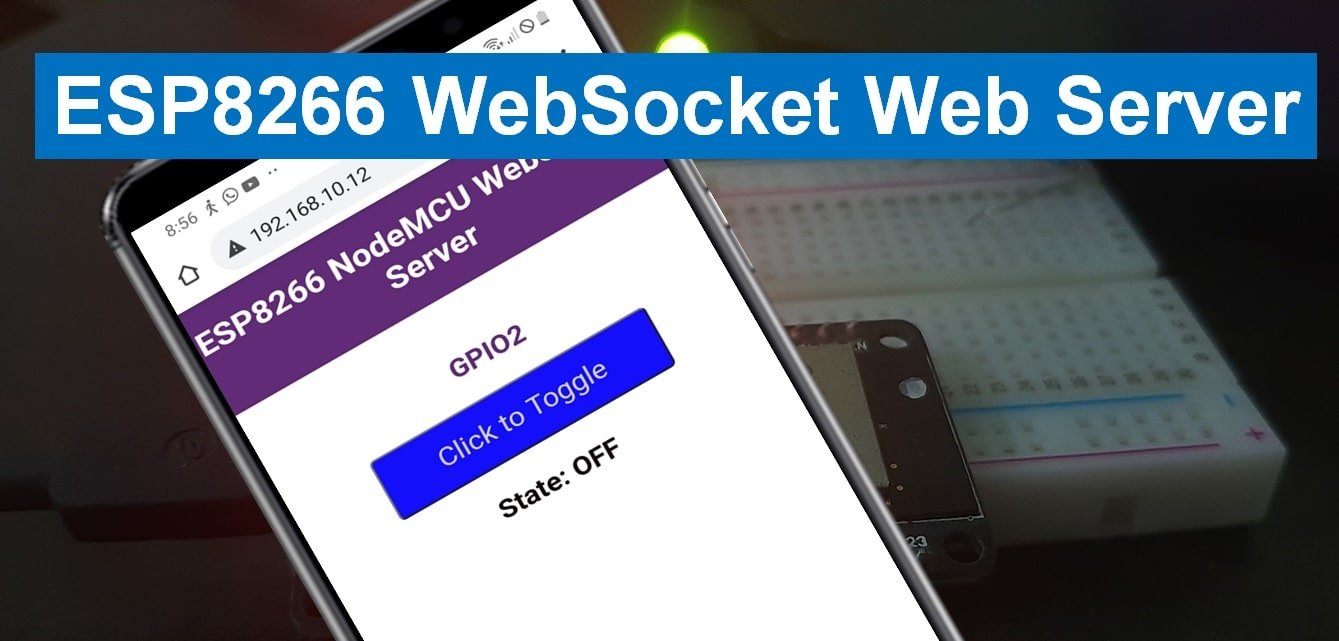
In this tutorial, we will create an ESP8266 NodeMCU web server by using a WebSocket communication protocol and Arduino IDE that will control the onboard LED of ESP8266 NodeMCU. Through WebSocket communication protocol, several clients can be connected to the server concurrently without blocking each other. We will see that unlike HTTP, a websocket server … Read more